Pool waterproofing (whether recreational or for water storage) is one of the most critical issues in hydraulic structures, because leakage or water penetration into or out of the structure leads to high repair and maintenance costs and a reduction in service life. Given that advanced solutions such as geomembranes are now widely used for waterproofing, understanding common mistakes and recognizing the strengths of these products is particularly important.
Common Mistakes in Pool Waterproofing
Below are six major mistakes frequently observed in pool projects:
1. Inadequate Subgrade Preparation
One of the most serious errors is installing waterproofing on a surface that is not clean, level, dry, or structurally sound. If the substrate contains sharp aggregates, debris, cracks, or incomplete foundations, the waterproofing layer can easily be stressed, improperly seated, or even punctured.
In pool projects, if the floor or walls are not properly shaped, or if the concrete or mortar has excessive voids, the waterproofing system cannot perform correctly.
2. Incorrect Selection of Waterproofing Material or Quality
Many projects generically apply “a waterproof coating” without selecting a material appropriate for pool conditions such as water chemistry, hydrostatic pressure, structural movement, temperature variations, and solar radiation.
For example, outdoor pools are exposed to intense sunlight, temperature fluctuations, high chlorine levels, and sometimes high groundwater levels; therefore, materials with high chemical resistance, UV resistance, and flexibility are required.
3. Errors in Critical Details (Impacts, Joints, Pipe Penetrations, and Installations)
Areas such as wall-to-floor junctions, inlet and outlet pipes, lighting fixtures, and underwater fittings are usually the starting points of leakage. Neglecting these details or executing them improperly is a common mistake.
In geomembrane systems, seams and welds must be correctly executed and inspected; otherwise, the overall performance of the waterproofing system is significantly reduced.
4. Neglecting Proper Slopes, Drainage, and Hydrostatic Pressures
If the pool floor or walls do not have adequate slopes toward drains, water may accumulate in certain areas and exert additional pressure on the waterproofing layer. Likewise, if external pressure or groundwater exists behind the walls and no proper drainage design is provided, the waterproofing system will be subjected to excessive stress.
As a result, both the waterproofing layer and the structure may experience cracking, delamination, or leakage.
5. Improper Installation or Lack of Post-Installation Protection
Even when suitable materials are selected, poor installation (such as insufficient overlaps, defective welds, or rough substrates) reduces performance. For example, installing geomembranes on gravelly surfaces or allowing heavy equipment to move over the membrane are serious mistakes.
After installation, a protective layer (such as a protective geotextile or cushioning felt or a soil cover layer) must be applied to prevent mechanical damage.
6. Lack of Supervision, Quality Control, and Periodic Maintenance
Many projects assume the work is complete once installation is finished, ignoring the fact that waterproofing systems are continuously affected by UV exposure, thermal stresses, structural movements, chemical attack from pool water, and soil settlement. Failure to plan for periodic inspection and maintenance is one of the main causes of long-term waterproofing failure.
Therefore, it is essential to establish a regular inspection program, including checking welds, joints, and overall performance.
Geomembrane Sheets: Performance and Advantages
Below, we explain the technology of “geomembrane sheets” and then discuss their connection with Khanjani Polymer Industries.
Definition and Working Mechanism
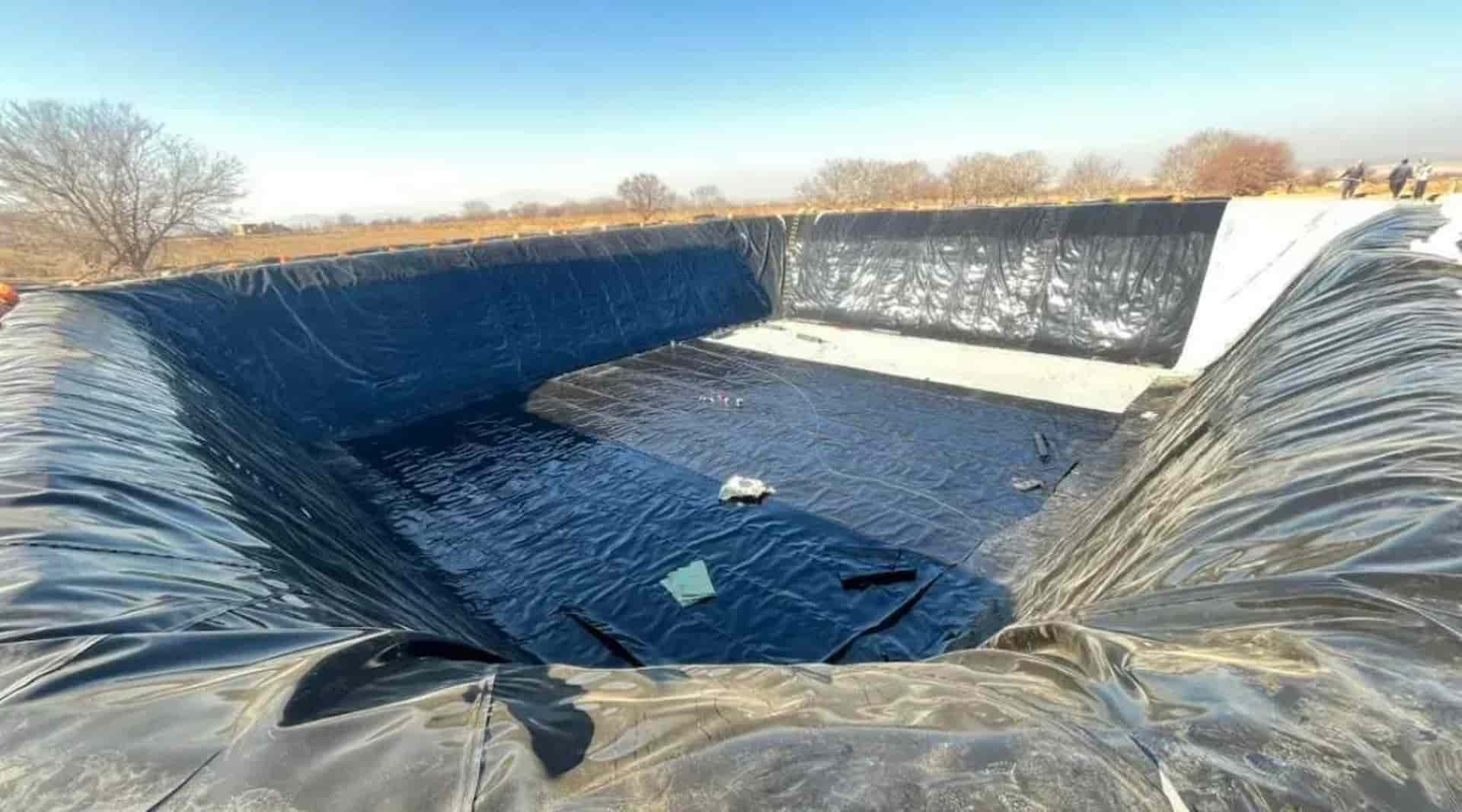
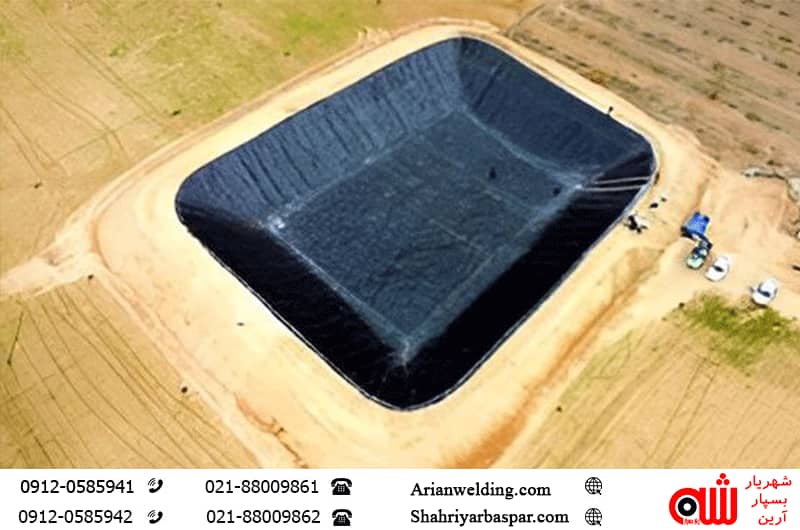
A geomembrane is a polymeric sheet with extremely low permeability, installed continuously or in panels, and acts as a completely impermeable barrier between water and soil or structural elements.
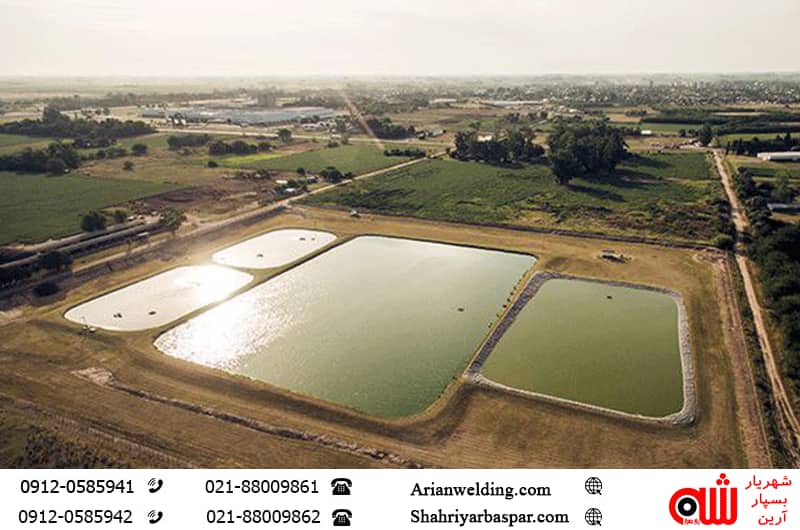
In pool applications, geomembranes function like a “fully waterproof liner” that prevents water loss into the structure or soil and blocks the ingress of external moisture, groundwater, or mechanical settlement.
The system works as follows:
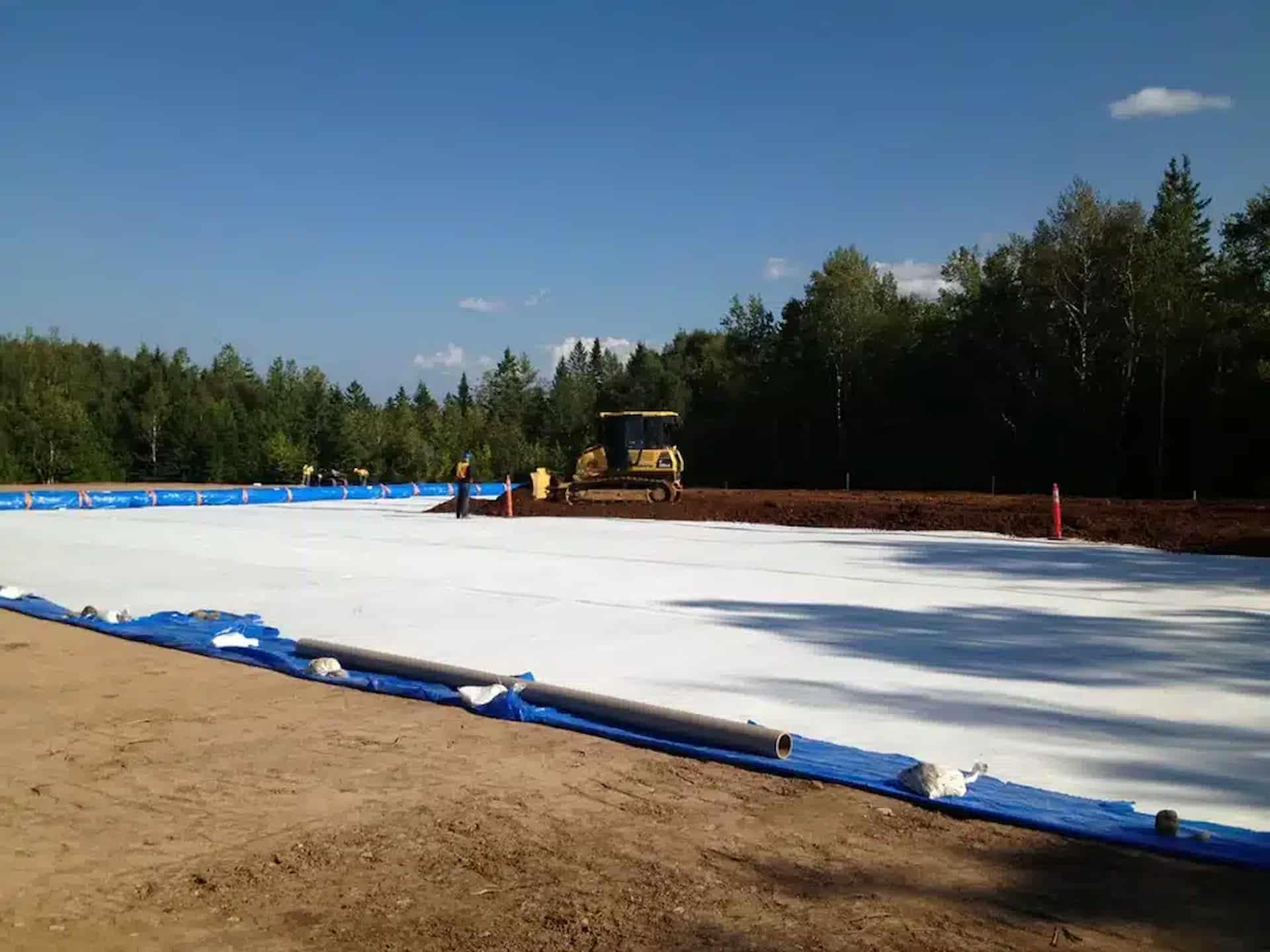
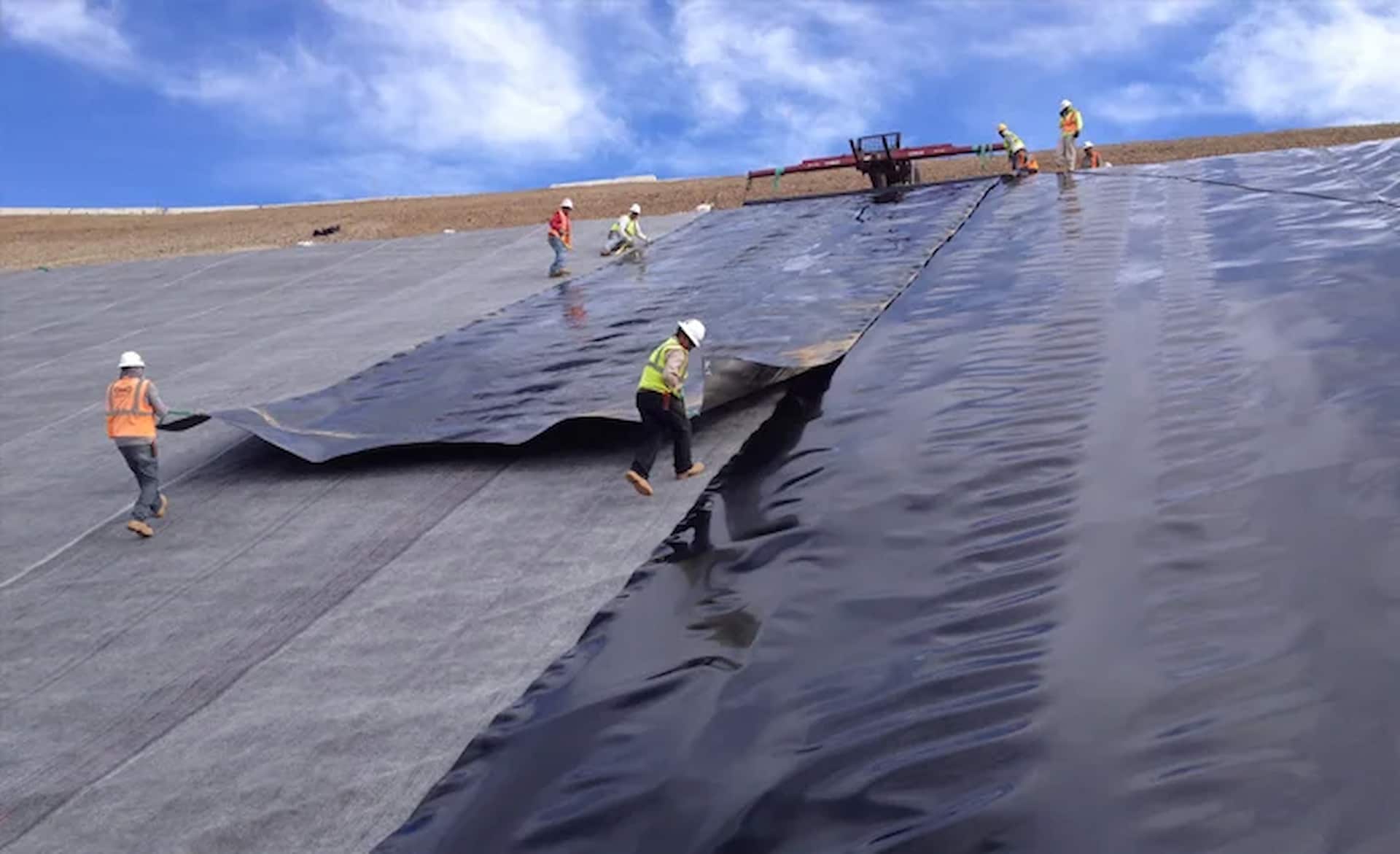
The underlying surface must be clean and smooth; the geomembrane sheets are laid over it, and seams are joined by thermal or mechanical welding.
Then, a protective layer (such as a covering geotextile or soil layer) is placed on top to protect against mechanical damage.
In this way, internal water pressure and external soil or groundwater pressures are properly managed, and the geomembrane acts as a “protective envelope,” providing long service life and reliable performance.
Advantages of Geomembranes
Some of the key advantages of geomembranes include:
- Extremely low permeability: Geomembrane sheets form an almost complete barrier against water and liquids, whereas concrete or mortar may crack or remain partially permeable.
- High chemical and physical resistance: Many geomembranes (such as HDPE or LLDPE) exhibit good resistance to chlorine, salts, acids, thermal stresses, and UV radiation.
- Flexibility and surface conformity: Geomembranes can be adapted to complex shapes, varying angles, walls, and curved or sloped floors.
- Faster installation and lower maintenance costs: Due to their lower weight compared to massive concrete structures, installation is faster, commissioning time is shorter, and long-term maintenance is simpler.
- Long service life: When properly installed and adequately protected, geomembranes can perform for decades without major degradation.
Role of Khanjani Polymer Industries
Khanjani Polymer Industries, as one of the largest manufacturers and suppliers of geomembrane sheets in Iran, with extensive experience and high production capacity, is a reliable choice for pool projects. Cooperation with this company offers the following advantages:
- Supply of geomembrane sheets in appropriate thicknesses and widths for various project sizes (from small to large pools)
- Technical consultation for selecting suitable materials (polymer type, thickness, color, or UV protection) based on climate conditions, water chemistry, and pool structure
- Technical support during installation, seam execution, quality control, and final delivery
- Quality assurance and compliance with relevant geomembrane standards, consistent with international technical studies
Practical Tips for Pool Projects Using Geomembranes
To ensure successful and trouble-free execution, observe the following recommendations:
- Select appropriate thickness and width: Geomembrane thickness should be determined based on water pressure, pool size, subsoil conditions, and potential traffic loads. As emphasized in technical references, thickness alone is not sufficient; overall mechanical performance is equally important.
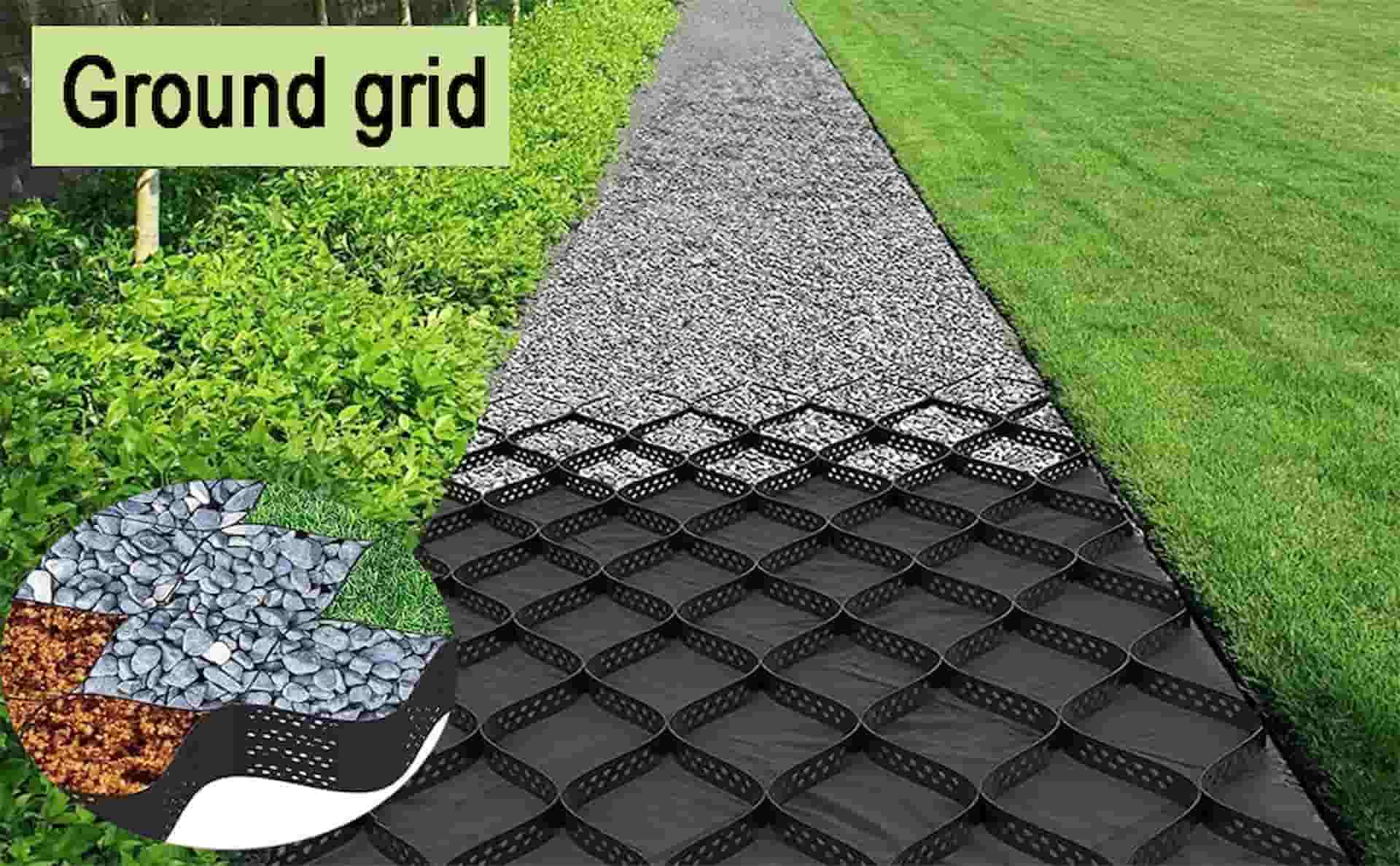
- Complete subgrade preparation: Remove stones and debris, level the surface, install an underlying geotextile, and ensure the substrate is dry and clean before laying the membrane.
- Accurate seam installation and weld inspection: Seams must be welded using hot-air or extrusion techniques with strict quality control. Non-destructive testing after installation is recommended to verify watertightness.
- Maintain protection after installation: Avoid traffic on the membrane until the protective layer is installed; the use of an upper geotextile layer or protective soil cover is strongly recommended.
- Consider environmental factors: Outdoor pools are exposed to sunlight, temperature variations, rain, and freezing conditions. Selecting geomembranes with adequate UV resistance and temperature performance is essential.
- Inspection and maintenance program: After commissioning, periodically inspect joints and welds; even geomembranes, as protective layers, require monitoring.
- Work with a reputable manufacturer: Cooperation with companies such as Khanjani Polymer Industries helps ensure quality assurance and reliable technical support.
Summary: Pool Waterproofing with Geomembrane Sheets
Proper pool waterproofing is not merely a decorative or superficial task, but a critical protective system. Mistakes such as poor substrate preparation, incorrect material selection, neglect of installation details, and lack of quality control can lead to very costly consequences. On the other hand, geomembrane sheets, as a modern solution with excellent performance—such as low permeability, high chemical and physical resistance, flexibility, and long service life—are a highly suitable option for pool applications, especially when supplied by a reputable manufacturer such as Khanjani Polymer Industries.