Geomembrane Price Analysis in the Iranian Market
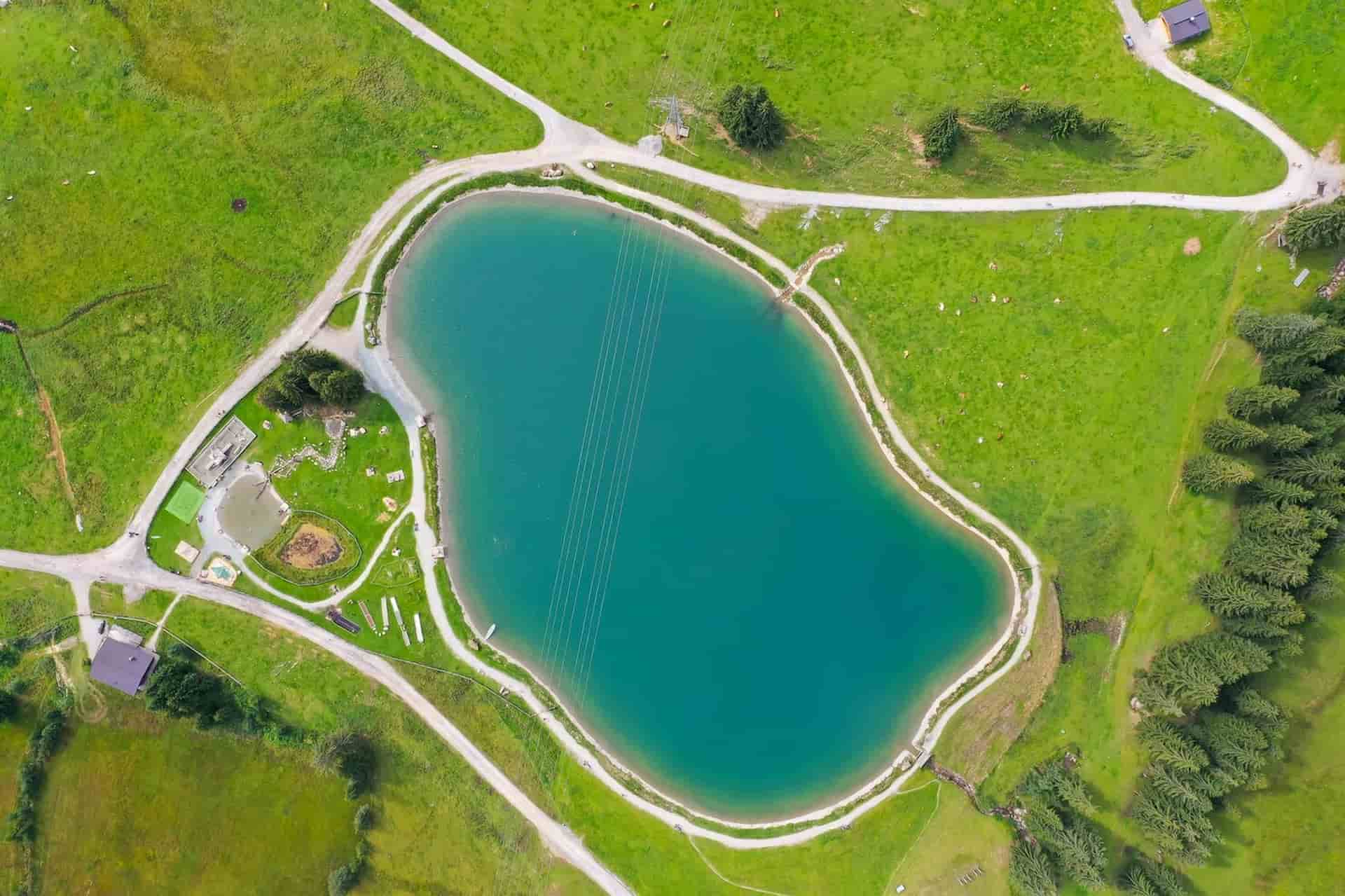
In recent years, geomembranes have become one of the most widely used geosynthetics in waterproofing projects such as agricultural ponds, fish farming basins, irrigation canals, water reservoirs, small dams, and landfills. One of the most common questions among engineers and contractors is the price of geomembrane in the Iranian market.
This article aims to present a clear and practical overview of the pricing structure, current price ranges, influencing factors, and useful tips for economical purchasing. It also highlights one of the leading domestic manufacturers, Khanjani Polymer Industries.
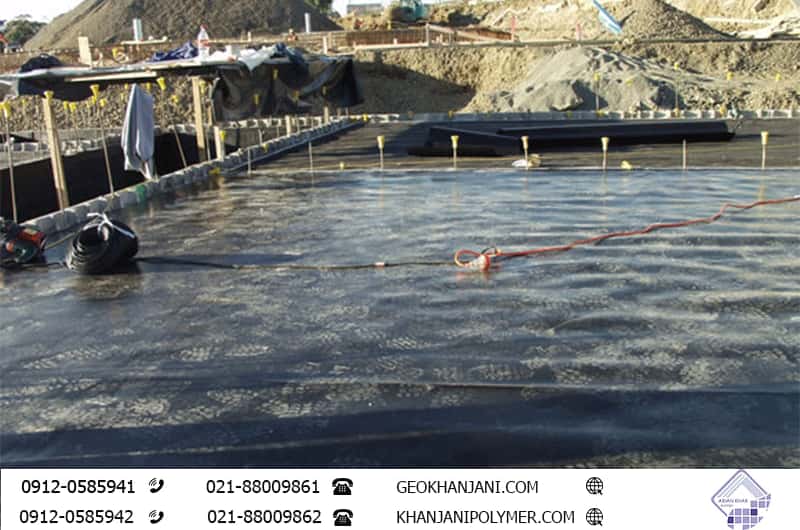
Current Price Range of Geomembrane Sheets
The price of geomembrane in Iran is usually quoted per square meter or per roll and is highly dependent on the sheet thickness, polymer type (HDPE, LLDPE, PVC), manufacturing standards, and order volume.
According to published statistics and manufacturers’ price lists, polyethylene (PE) geomembranes with common thicknesses (0.75, 1.0, 1.5, 2.0 mm) show different price ranges — for example, from about 70,000 to 260,000 Tomans per square meter depending on the thickness and material type.
Main Factors Affecting Geomembrane Prices
1. Sheet Thickness: The most important factor — as thickness increases, price per square meter rises due to higher polymer consumption and more complex manufacturing processes.
2. Polymer Type: HDPE and LLDPE have different mechanical and chemical properties, and prices vary based on the blend and additives used. PVC is another type sometimes used for specific applications and has a different price range.
3. Roll Width and Length: Wider and longer rolls usually reduce installation costs and the number of seams, making the unit price more economical.
4. Quality and Standards: Companies that offer international certifications, quality control test reports, or long-term warranties generally have higher prices, as they ensure longer service life and better performance.
5. Logistics and Transportation Costs: Since geomembranes are supplied in heavy rolls, transport to remote projects can be costly; thus, delivery location directly affects the final price.
6. Polymer Raw Material and Currency Fluctuations: In Iran, polymer prices are heavily influenced by global markets and exchange rates; any increase in global polymer prices or currency fluctuations can change domestic geomembrane prices within weeks or months.
Installation and Execution Costs
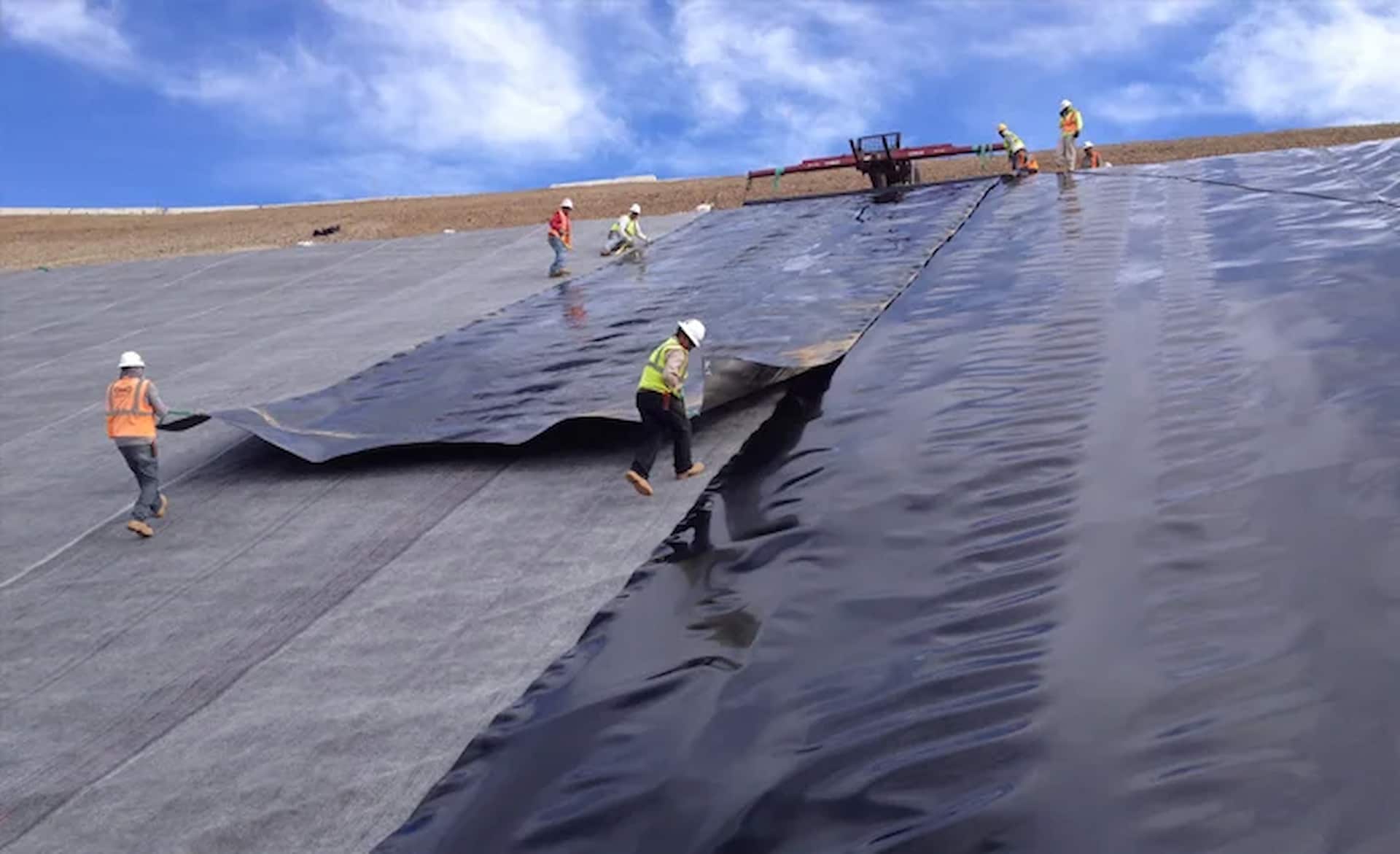
It’s important to note that the cost of the sheet itself is only part of the total project cost. Installation, subgrade preparation, seaming (hot wedge or ultrasonic depending on type), and surface protection all add to the execution cost. For small projects (e.g., farm ponds), installation may be a smaller portion, while for large dams or landfills, installation and quality control can make up a major share of total expenses.
How to Find the Best Price — Tips and Recommendations
1. Provide clear technical specifications: Before requesting quotes, specify thickness, width, polymer type, and environmental conditions (UV exposure, chemical contact, mechanical loads). This helps make quotes comparable.
2. Request quotes from multiple manufacturers: Compare not only sheet prices but also warranties, QC tests, and installation services.
3. Inspect samples and lab results: For critical projects, consider sampling and testing mechanical/chemical properties. Manufacturers offering test reports and certificates minimize technical risks.
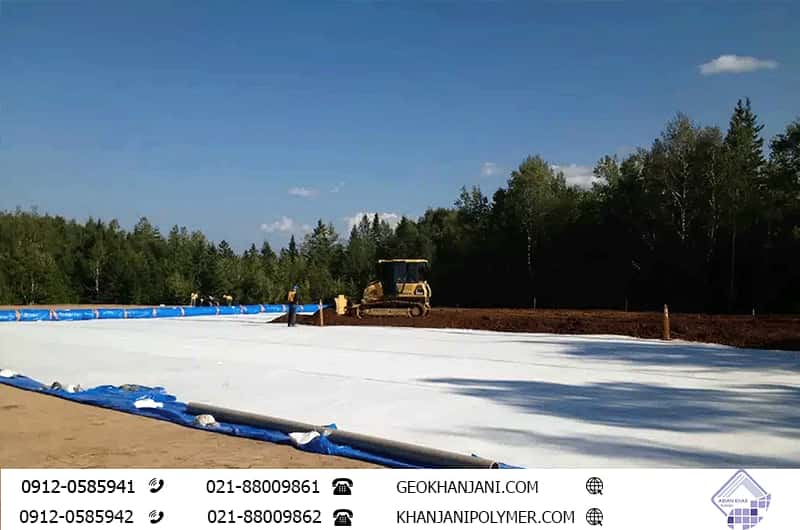
4. Consider the long-term life-cycle cost (LCC): A cheaper sheet may look attractive initially but could lead to shorter service life and higher maintenance costs over time.
5. Negotiate based on order volume: For large-scale projects, significant discounts are usually available. Instead of scattered small purchases, consider consolidated procurement.
Domestic Market Impact and Iranian Manufacturers
In recent years, Iran’s geomembrane production capacity has grown significantly, and many domestic companies now manufacture a variety of sheets. This strengthens supply chains and reduces import dependence.
One of the well-known names in this industry is Khanjani Polymer Industries (also known as GeoKhanjani), which produces geomembrane, geotextile, geodrain, and other geosynthetic materials. The company provides detailed product information, installation services, and technical support on its website.
While it’s important to review each supplier’s credent