Advantages and Disadvantages of Green Walls in Buildings
Green walls (also known as living walls or vertical gardens) have emerged as one of the key environmental and sustainable architecture solutions over the past two decades. These systems—whether modular or non-modular—can be installed on both exterior façades and interior walls, combining vegetation, growth medium, irrigation systems, and protective layers to deliver both ecological and building-performance benefits.
This article reviews the advantages and disadvantages of these systems and discusses high-quality green wall construction, offering technical and operational recommendations for **Khanjani Polymer Industries**, which can play a role in manufacturing related polymer modules and components.
Main Advantages of Green Walls
1. Reduced Energy Consumption and Improved Thermal Performance
Green walls act as a living insulation layer that reduces direct solar radiation and air movement across the building envelope. As a result, cooling demand in summer and heating needs in winter are both reduced. Review studies show that depending on the system type, climate, and building orientation, energy savings can reach several tens of percent in cooling loads or during peak thermal stress periods. The effect is more significant in systems with high vegetation density and adequate spacing from the building surface.
2. Improved Urban Air Quality and Noise Reduction
Plants can absorb certain airborne pollutants and gases, while leaf surfaces trap particulate matter. Additionally, the plant layer and growth medium contribute to sound absorption and reduce the penetration of urban noise—particularly beneficial for high-traffic urban areas. Research reports these advantages as contributing factors to improved urban comfort and livability.
3. Stormwater Management and Runoff Control
Green walls have the capacity to retain and evaporate part of the rainfall they receive, which makes them a valuable component of sustainable urban water management systems. Modeling studies indicate that large-scale installation of green walls can significantly reduce instantaneous surface runoff volumes.
4. Aesthetic Value, Branding, and Property Enhancement
As a distinctive architectural feature, green walls enhance visual appeal, corporate branding, and property value. For commercial and industrial buildings, they reinforce messages of sustainability and social responsibility, attracting clients and visitors more effectively. (Commercial design guides and market research support this point.)
Disadvantages and Challenges of Green Walls
1. High Initial and Maintenance Costs
Installing a high-quality green wall involves structural framing, planting modules, growth medium, automated irrigation, and waterproofing membranes—all of which make it more expensive than conventional walls. Ongoing maintenance—such as irrigation, fertilization, pruning, pest control, and replacing damaged plants—also requires specialized care and adds to long-term costs. Industry reports identify maintenance expenses as one of the primary barriers to wider adoption.
2. Structural Risks and Dead Load
When irrigated, green wall systems gain significant weight. Saturated systems typically range from 50 to 100 kg/m², which can pose challenges for poorly designed structures. Therefore, accurate assessment of dead load, wind pressure, structural connections, and load transfer paths is essential.
3. Water Infiltration and Building Envelope Damage
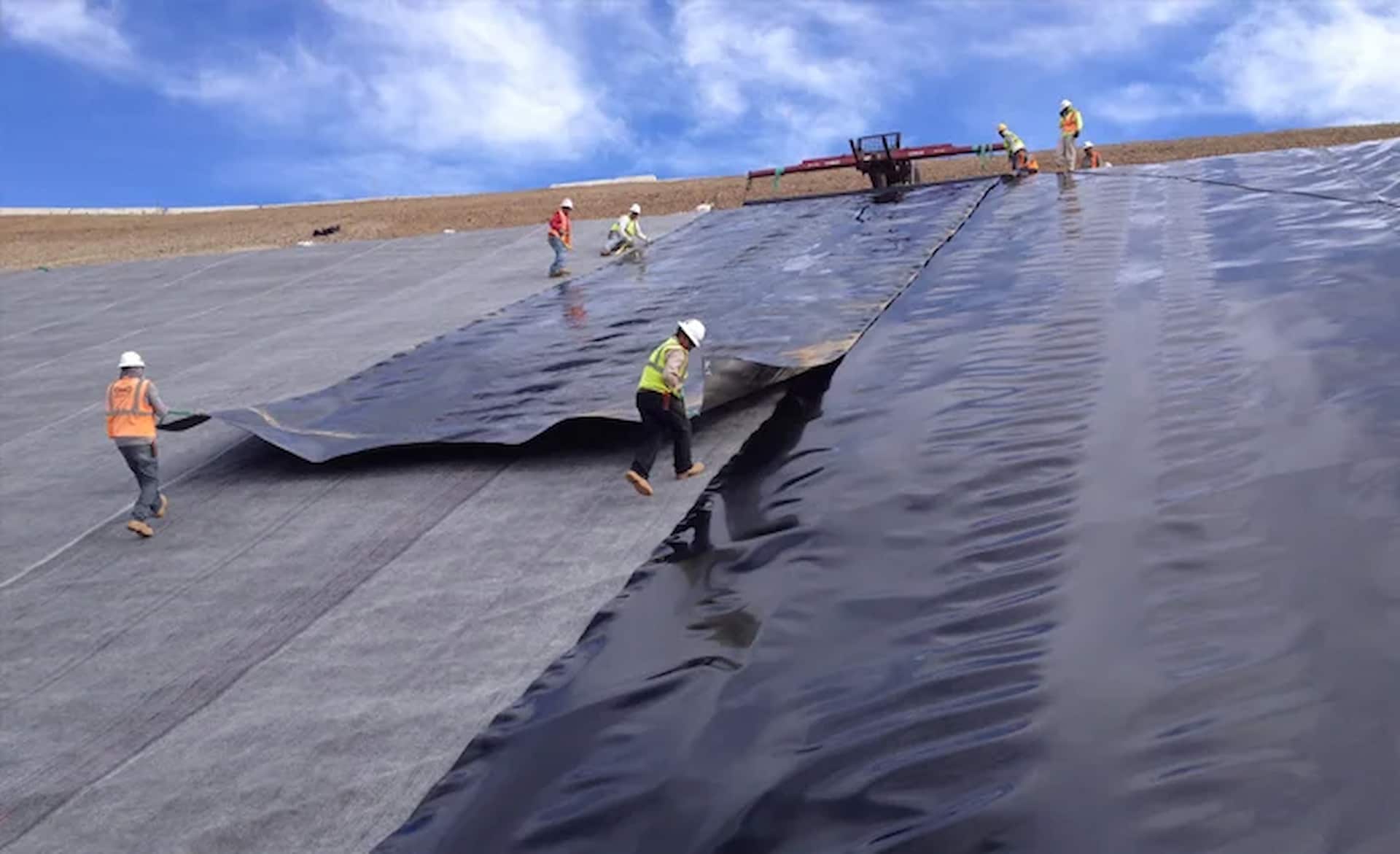
Without proper waterproofing membranes and ventilation design, moisture and roots may penetrate and damage the wall structure. Reputable manufacturers recommend using durable membranes (such as polypropylene, EPDM, or other suitable sheets) along with standard drainage layers.
4. Biological Issues: Pests, Diseases, and Plant Mortality
Like any planted area, green walls are vulnerable to pests, diseases, and environmental stresses such as heat, cold, or improper lighting. System failure or irrigation disruption can cause widespread plant death. Therefore, reliable monitoring systems and detailed maintenance schedules are crucial.
5. Climate Dependence and Plant Selection
The performance of a green wall in terms of energy savings and comfort strongly depends on local climate, wall orientation, and plant species selection. In arid or high-radiation regions, specialized media or continuous irrigation and shading may be required, increasing water use and costs. Studies indicate that without climate-adapted design, the benefits of green walls can be substantially diminished.
Technical and Commercial Recommendations for Khanjani Polymer Industries
Focus on lightweight, durable polymer modules:
The global market for lightweight polymer modules (such as EPP or UV-stabilized polypropylene) is growing. Producing modular systems with interlocking or rail connections, controlled drainage, and replaceable plant trays can provide a strong competitive advantage.
Collaborate with structural and waterproofing designers:
Offering complete packages—including polymer modules, recommended waterproof membranes (e.g., EPDM or reinforced polypropylene), and standard drainage systems—along with installation and maintenance guidelines can minimize post-sale moisture-related issues and complaints.
Plan for after-sales and maintenance services:
To reduce customer concerns about upkeep costs, annual maintenance packages (e.g., smart irrigation, plant health monitoring, and replacement supply) can be offered. This service model creates recurring revenue and improves market acceptance.
Case studies and performance data collection:
Collecting local data—such as reductions in surface temperature, energy savings, or noise attenuation—from pilot projects and publishing these findings builds customer trust and supports sales. Review papers emphasize that performance depends on climate and design, making data-driven marketing highly effective.
Summary: Advantages and Disadvantages of Green Walls in Buildings
Green walls are now more relevant than ever as tools of sustainable architecture and green marketing. Their environmental, energy, and aesthetic benefits are well-documented, but initial costs, maintenance requirements, water infiltration risks, and structural design needs remain key challenges.
For **Khanjani Polymer Industries**, there is a clear commercial opportunity in green wall manufacturing—especially if the product is offered as a complete package with waterproofing, drainage, and maintenance solutions. Implementing pilot projects and gathering local performance data on energy and water management will provide the strongest foundation for successful market entry.