Standard Roof Garden Implementation Steps | Khanjani Polymer Industries
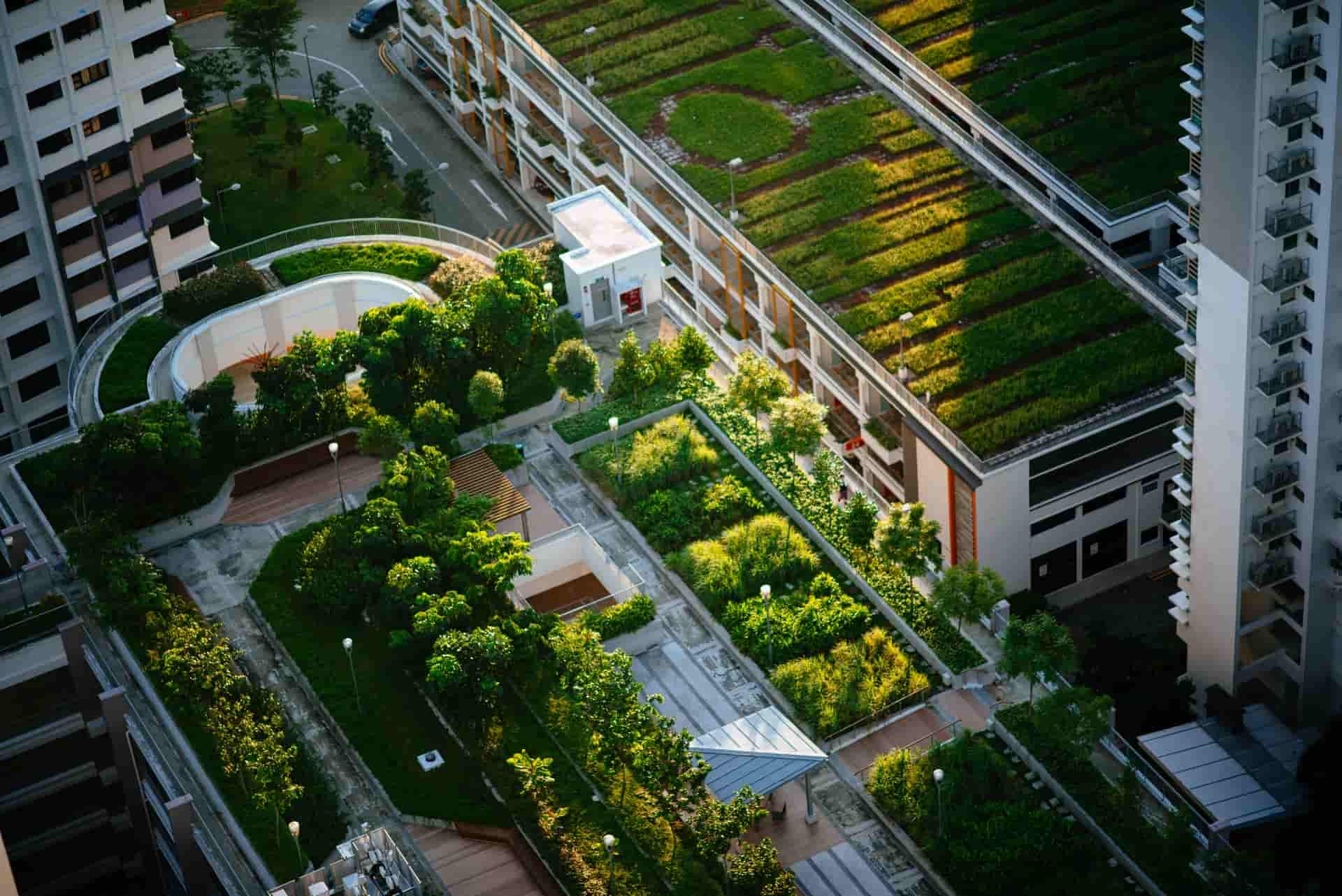
Roof gardens or green roofs are among the latest trends in urban architecture, combining nature and buildings to bring both beauty and functionality. Implementing a standard roof garden requires technical knowledge, durable materials, and adherence to engineering principles. With over two decades of experience in producing and implementing geosynthetic and polymer waterproofing products, Khanjani Polymer Industries provides specialized design and implementation services for roof gardens using geomembrane sheets, geotextiles, and standard drainage layers. For information on buying geomembrane in Tehran and obtaining standard raw materials for roof garden projects, contact us.
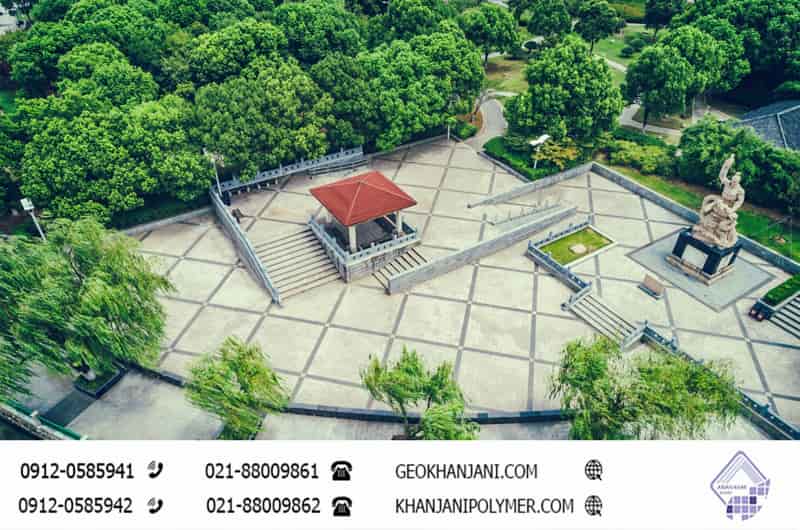
This article provides a complete guide to the steps for implementing a standard roof garden.
1. Roof Inspection and Preparation
The first step in implementing a roof garden is to assess the structural condition and calculate load capacity. This stage includes:
- Structural assessment: Ensuring the roof can support the weight of soil, plants, equipment, and water.
- Obstacle removal: Clearing debris, old materials, or unwanted objects from the roof.
- Roof leveling: Creating proper slope to direct water towards drains.
This step is crucial for the longevity of the green roof, as negligence may lead to water leakage and structural damage.
2. Roof Waterproofing with Geomembrane Sheets
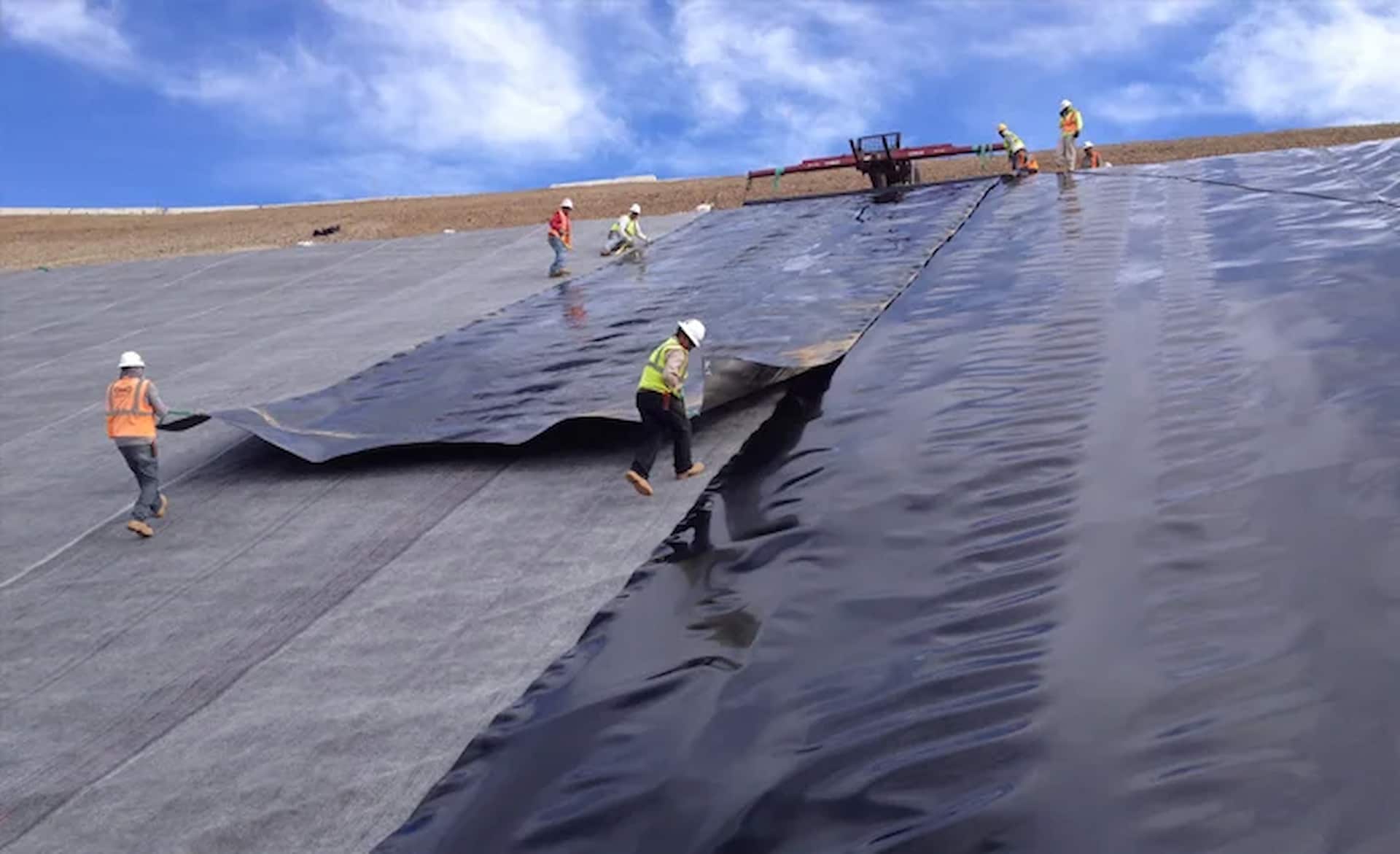
One of the most important steps in roof garden implementation is waterproofing. At Khanjani Polymer Industries, HDPE and LLDPE geomembrane sheets with global GRI standards are used. Features include:
- High resistance to UV and temperature variations
- Lifetime over 50 years
- Flexibility and easy installation
- Preventing water leakage to underlying layers
Proper installation by specialized teams ensures complete isolation from rain, irrigation, and moisture.
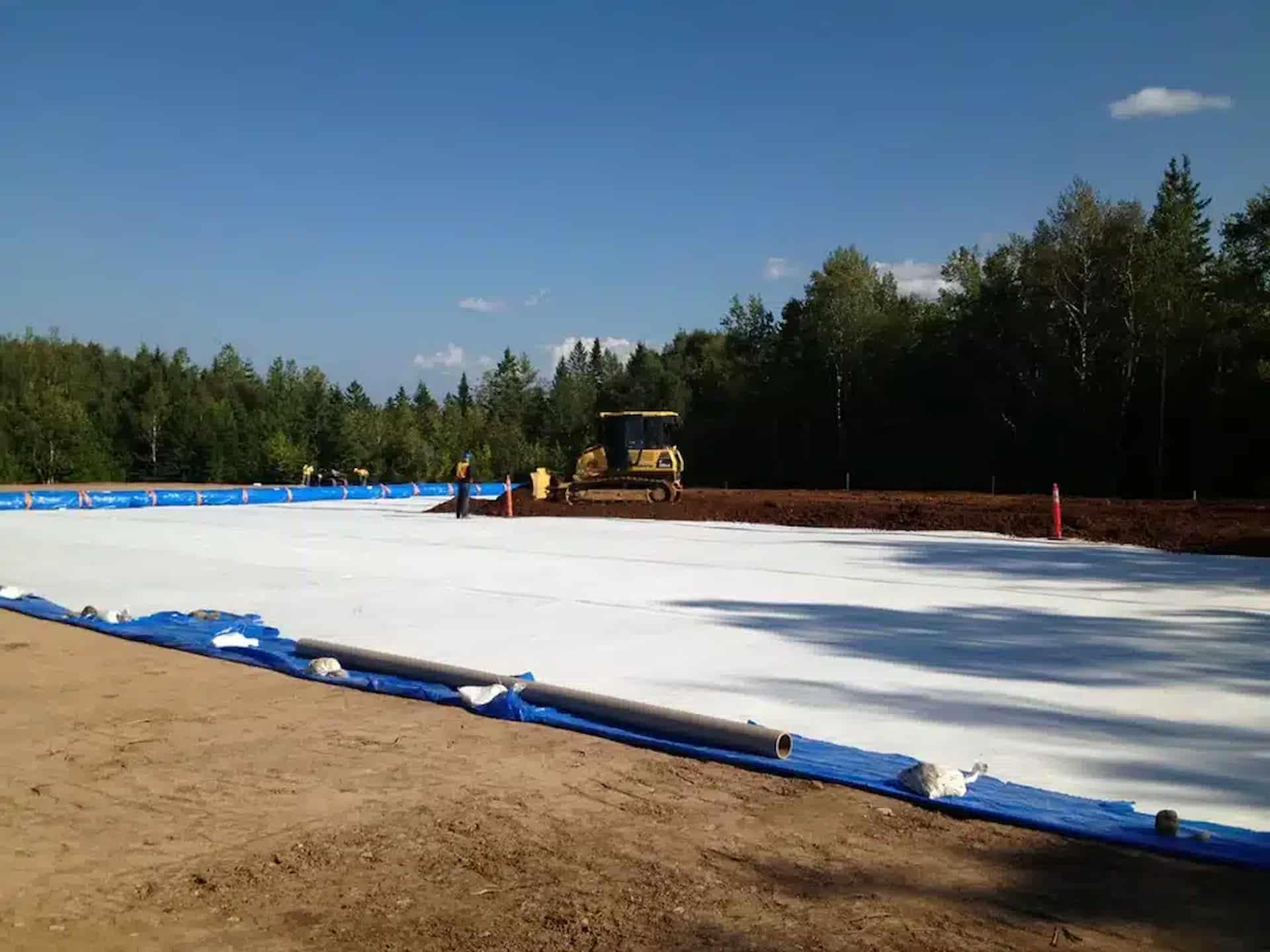
3. Installing Protective Geotextile Layer
After waterproofing, a geotextile layer is installed over the geomembrane to:
- Protect the membrane from scratches and mechanical damage
- Reduce pressure from soil and gravel
- Ensure controlled water drainage
This layer, along with the geomembrane, creates a stable structure for the roof garden.
4. Drainage Layer
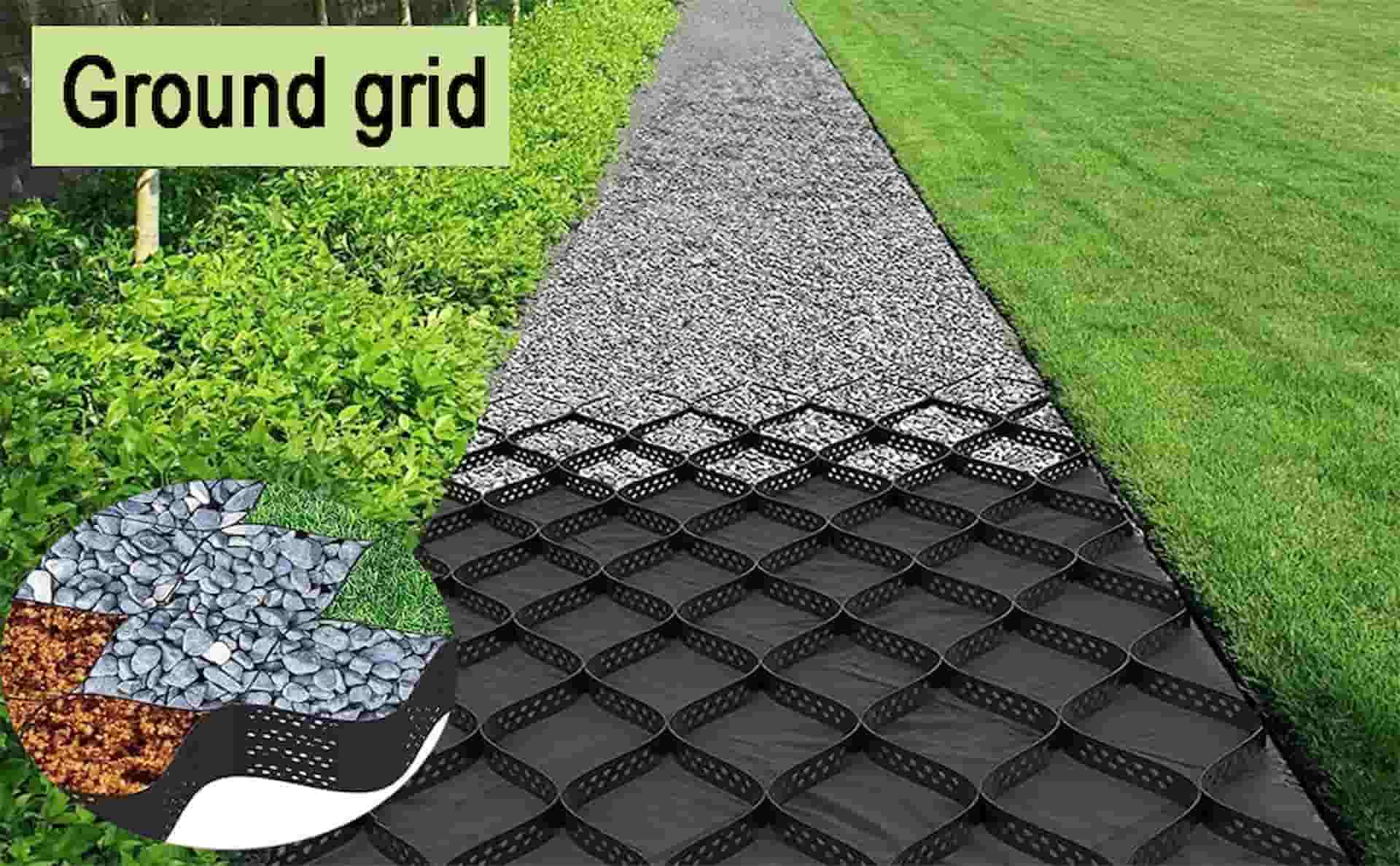
Proper drainage is a key principle of a standard roof garden. Accumulated water can damage plants and increase structural load. Khanjani Polymer Industries uses polymeric geonet and geocell systems with benefits including:
- Uniform water flow to outlets
- Preventing water accumulation and soil erosion
- Extending waterproofing lifespan
5. Filter Layer
A geotextile filter is installed over the drainage layer to prevent fine soil particles from entering the drainage system. This layer:
- Prevents clogging of water channels
- Supports water circulation in underlying layers
- Enhances system durability and efficiency
6. Growing Medium
At this stage, the planting medium is prepared. The soil must have specific properties:
- Lightweight (mix of light soil, perlite, and organic materials)
- High permeability
- Rich in nutrients
- Erosion resistant
Khanjani Polymer Industries uses engineered mixes to reduce structural load while optimizing plant growth.
7. Planting and Landscape Design
Plant selection depends on climate, sunlight, irrigation, and project goals. Suitable plants include:
- Drought-tolerant plants: succulents and cacti
- Special grass for green roofs: resistant to heat and cold
- Small shrubs and seasonal flowers: for aesthetics and visual diversity
Landscape design can be extensive or intensive, each with its own benefits.
8. Smart Irrigation System
Regular and efficient irrigation is critical. Smart drip irrigation systems installed by Khanjani Polymer Industries:
- Reduce water consumption by up to 40%
- Maintain soil moisture at optimal levels
- Allow scheduling and remote control
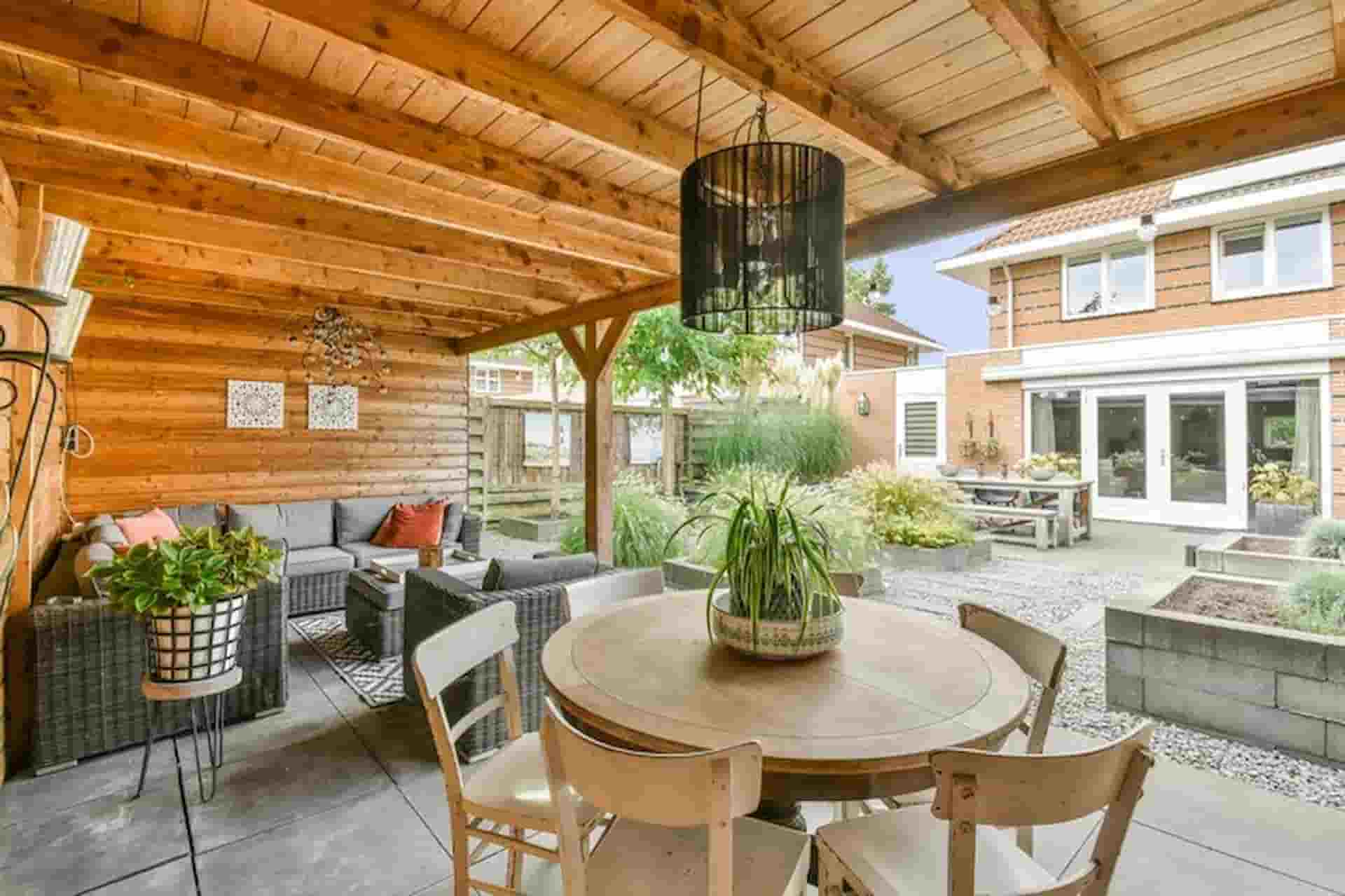
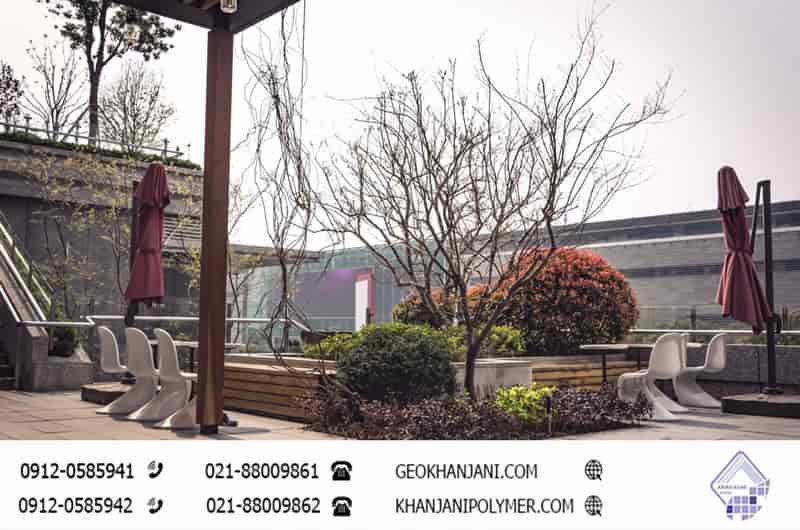
9. Furniture and Accessories
To enhance usability and aesthetics, you can include:
- Gazebos and pergolas
- Outdoor benches and furniture
- Fountains and decorative lighting
- Polymer or stone flooring
These elements create a pleasant environment for relaxation and socializing.
10. Maintenance
Roof garden implementation is not the final step; continuous maintenance ensures longevity and vitality. Maintenance includes:
- Regular irrigation and system checks
- Fertilization and plant nutrition
- Pest and disease control
- Periodic inspection of waterproofing and drainage
Khanjani Polymer Industries also provides ongoing support and maintenance services.
Benefits of a Standard Roof Garden
- Reduces ambient temperature and improves building energy efficiency
- Extends roof waterproofing lifespan
- Creates a green space for relaxation
- Reduces air pollution and absorbs CO2
- Increases property value and architectural appeal
Why Choose Khanjani Polymer Industries?
- Use of export-quality geomembrane and geosynthetic sheets
- Specialized engineering team for green roof design and implementation
- Over 20 years of experience in large-scale national projects
- 10-year quality guarantee on waterproofing and drainage installation
Summary of Standard Roof Garden Implementation Steps
Implementing a standard roof garden is a multi-step process requiring precision, technical knowledge, and quality materials. From roof preparation to geomembrane waterproofing, drainage, planting, and smart irrigation, each stage must follow engineering principles. Khanjani Polymer Industries, relying on expertise and experience, is a pioneer in this field in Iran, providing green roof solutions with the best materials and guaranteed quality.