Advantages of Using Geomembranes in Waterproofed Agricultural Ponds
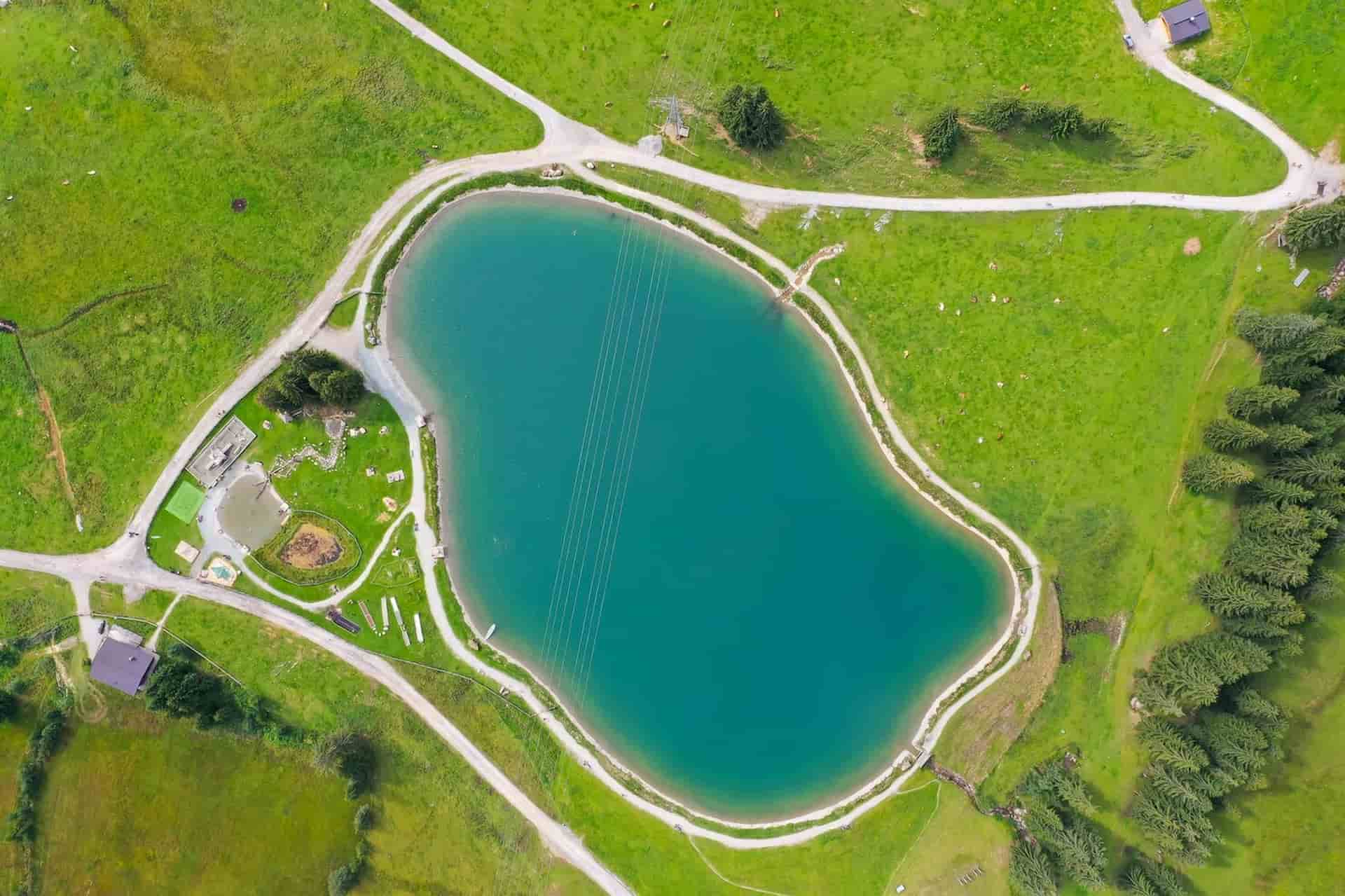
Water resource management in modern agriculture has become one of the most critical concerns for farmers and industry stakeholders. Water scarcity, rising costs, and the need for optimized water usage have increased the importance of modern storage and management methods. One of the most effective solutions in this regard is constructing waterproofed agricultural ponds using geomembranes. Khanjani Polymer Industries, as a pioneer in the production and supply of geosynthetics in Iran, has played a significant role in promoting and implementing this technology.
What is a Geomembrane?
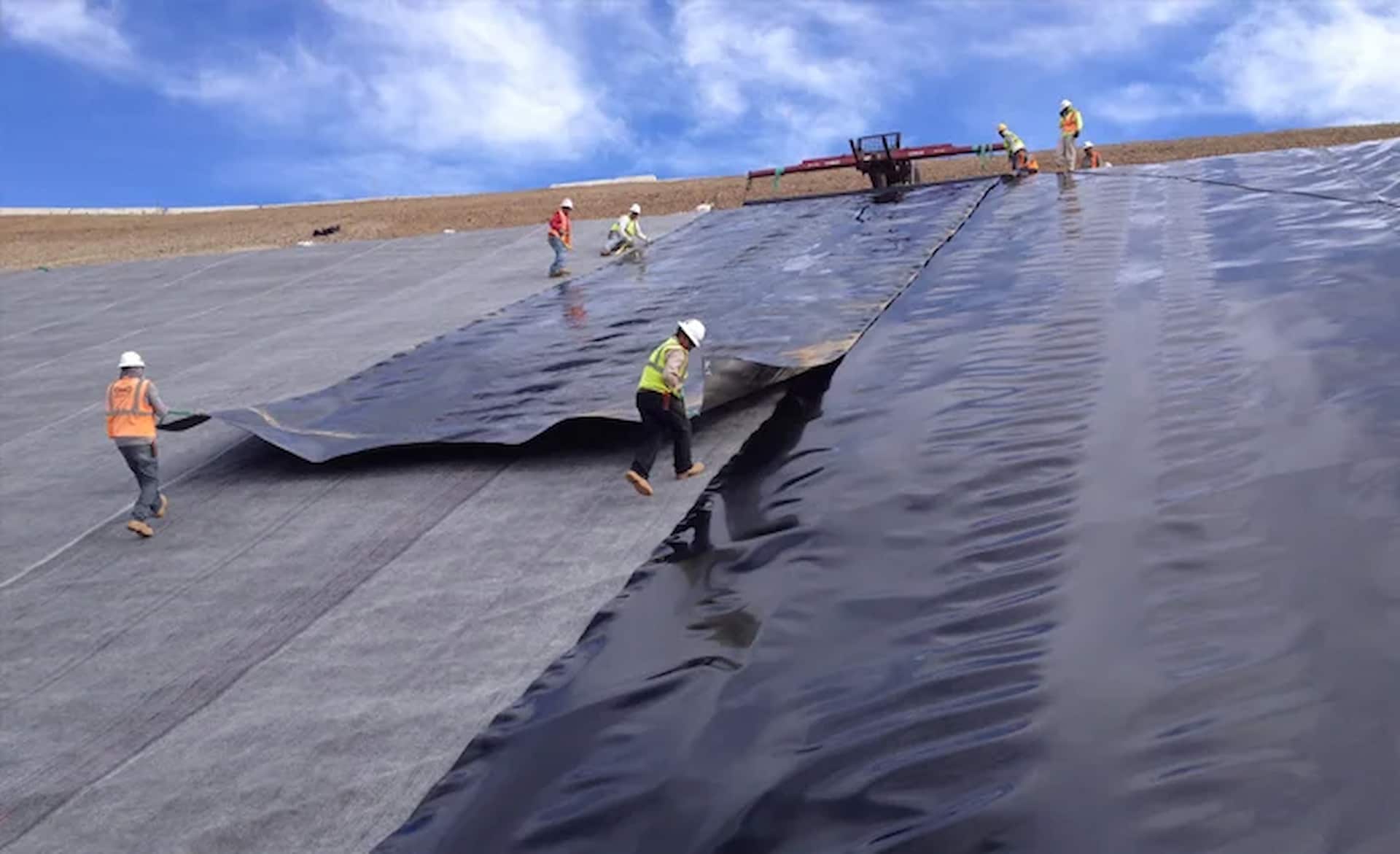
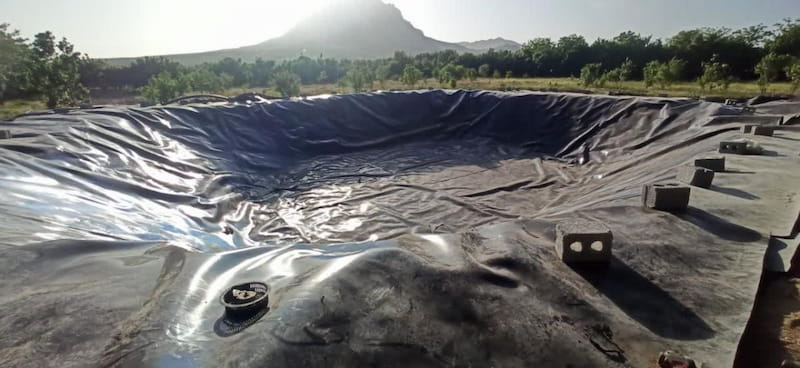
A geomembrane is a polymer sheet with high resistance to water and chemical penetration, used in various civil, agricultural, and environmental projects. Typically made from high-density polyethylene (HDPE) or low-density polyethylene (LDPE), geomembranes offer unique physical and mechanical properties, making them the best choice for waterproofing agricultural ponds.
Benefits of Using Geomembranes in Agricultural Ponds
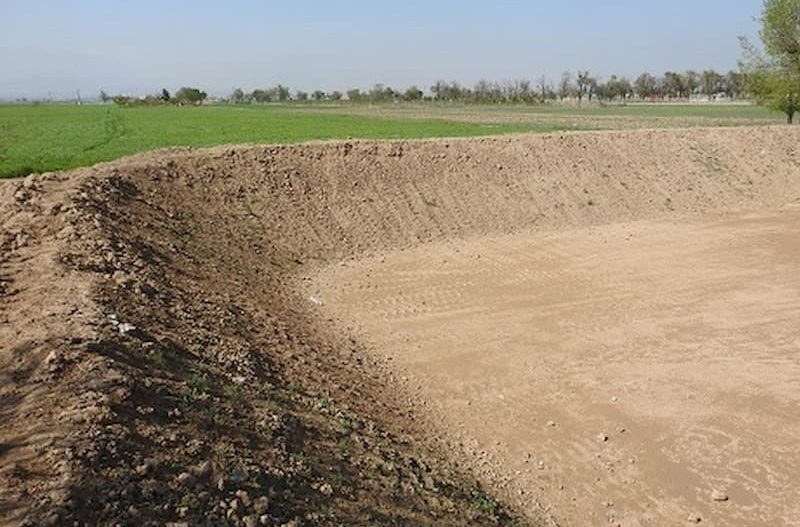
1. Preventing Water Loss
Geomembranes prevent any seepage or leakage into surrounding soil, which is especially important in arid and water-scarce regions.
2. Increasing Pond Lifespan
Due to high resistance to environmental factors such as sunlight, temperature changes, and mechanical pressures, geomembrane ponds can last over 20 years without major repairs.
3. Reducing Construction and Maintenance Costs
Compared to traditional methods such as concrete lining or compacted clay, geomembranes are much more cost-effective. They also significantly lower long-term maintenance expenses.
4. Ease and Speed of Installation
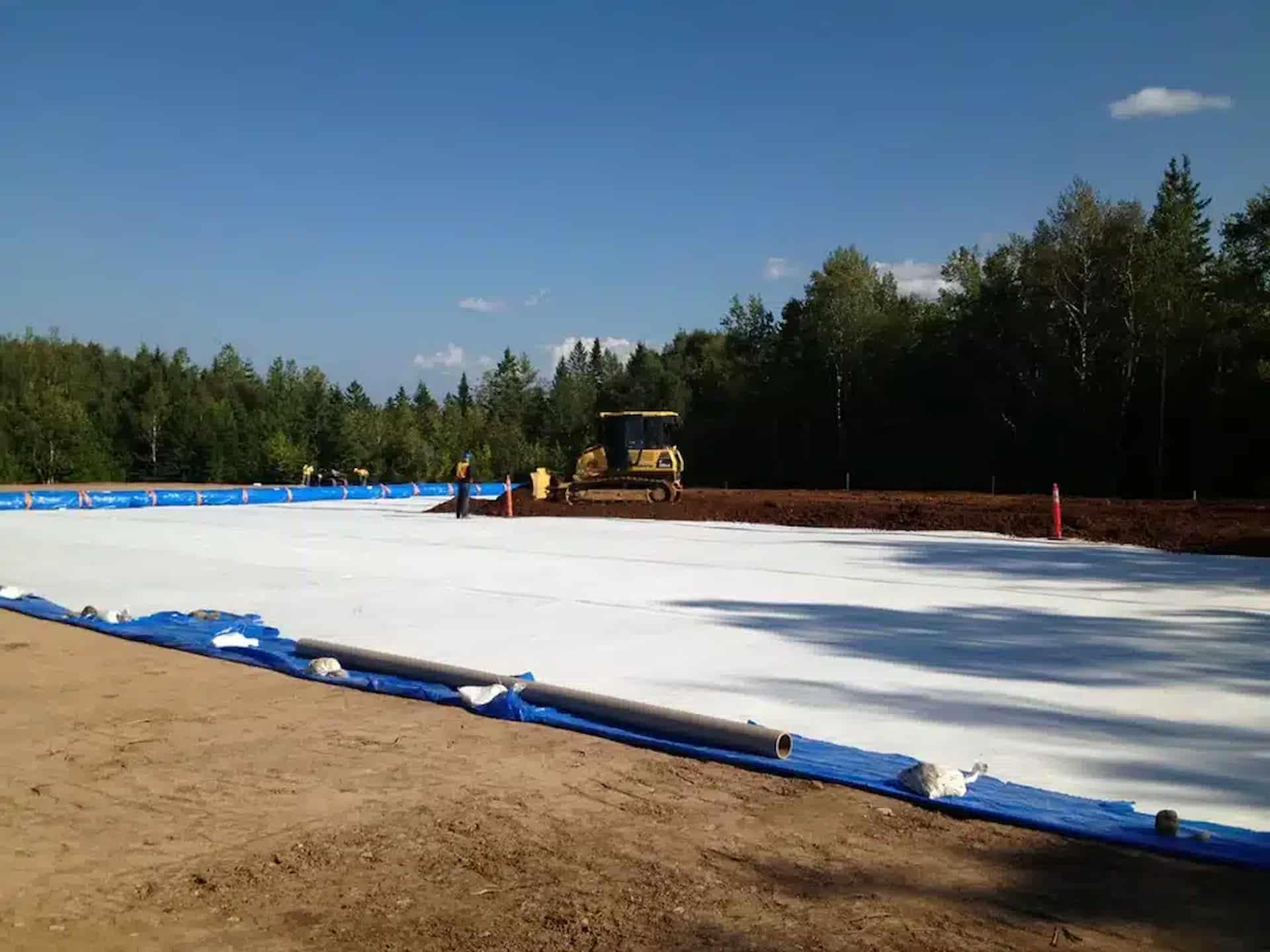
Geomembranes can be installed quickly without complex equipment, saving both time and project costs.
5. Chemical and Microbial Resistance
Geomembranes resist chemicals found in fertilizers and pesticides, preventing degradation or decay. They also inhibit algae and bacterial growth in the pond bed.
6. Environmental Compatibility
By preventing water loss and reducing the need for construction materials like cement and concrete, geomembranes are environmentally friendly and contribute to the sustainability of natural resources.
7. Adaptability to Various Shapes and Sizes
Geomembranes can be applied to ponds of different shapes and sizes, allowing farmers to create storage according to their specific needs.
Role of Khanjani Polymer Industries in Developing Geomembrane Ponds
Khanjani Polymer Industries leverages modern technical knowledge and years of experience in geosynthetic production to deliver high-quality, standardized geomembrane products. The company also provides consulting, design, and implementation services for waterproofed agricultural ponds, enabling farmers and water resource managers to confidently benefit from this technology.
Applications of Geomembrane Ponds
- Agricultural Water Storage: For irrigating farmland and orchards.
- Fish and Aquaculture Farming: Prevents leakage and ensures water quality control.
- Rural Drinking Water Storage: Serves as a reliable water source in water-scarce areas.
- Flood and Surface Water Management: Creation of temporary or permanent reservoirs for capturing and directing runoff.
Summary: Advantages of Using Geomembranes in Agricultural Ponds
Using geomembranes for waterproofed agricultural ponds is a modern, cost-effective, and sustainable solution for managing water resources. This technology not only prevents water loss but also reduces maintenance costs and extends pond lifespan. Khanjani Polymer Industries, as a pioneer in this field, plays a key role in the development and promotion of geomembrane ponds in Iran.
Given the existing challenges in water management and agriculture, choosing geomembranes is not only a technical decision but also an economic and environmental necessity, contributing to a more sustainable future for the country’s agricultural sector.