Combining Geotextile and Geomembrane
Enhance the Lifespan and Quality of Green Roofs With the Expertise and Technology of Khanjani Polymer Industries
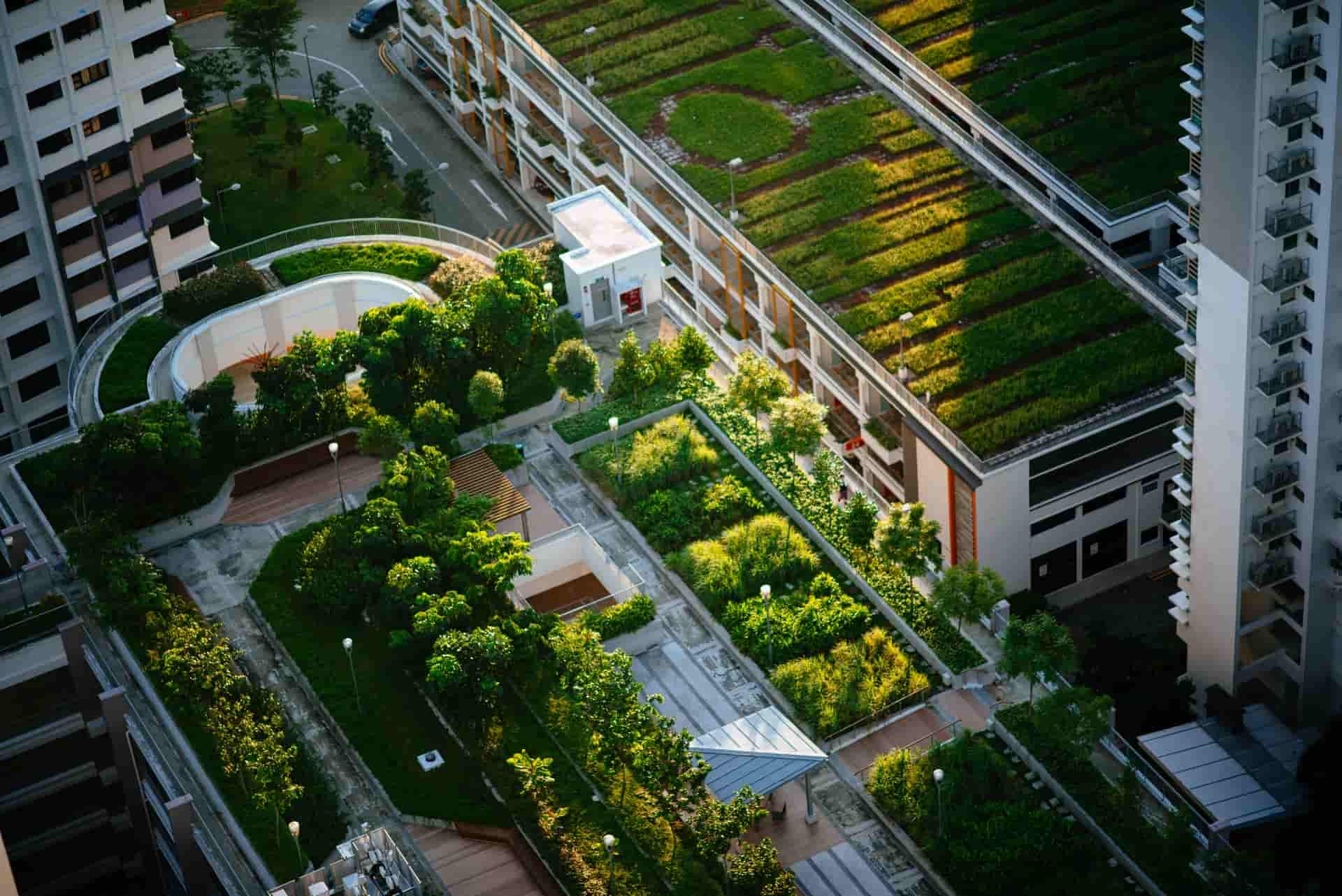
In recent years, green roofs have emerged as a modern approach in sustainable architecture and urban development. This system not only improves urban greenery and visual appeal but also plays a vital role in reducing pollution, regulating temperature, and optimizing energy consumption. However, the main challenge in green roof construction lies in waterproofing, drainage, and improving the durability of the underlying layers. Any weakness in this area can lead to water leakage, structural damage, and reduced project lifespan.
One proven solution is the combined use of geomembranes and geotextiles as complementary protective layers. Khanjani Polymer Industries, a pioneer in the production and supply of geosynthetic products, has successfully provided a sustainable and reliable solution for green roofs by integrating these two technologies.
Geomembrane and Its Role in Green Roofs
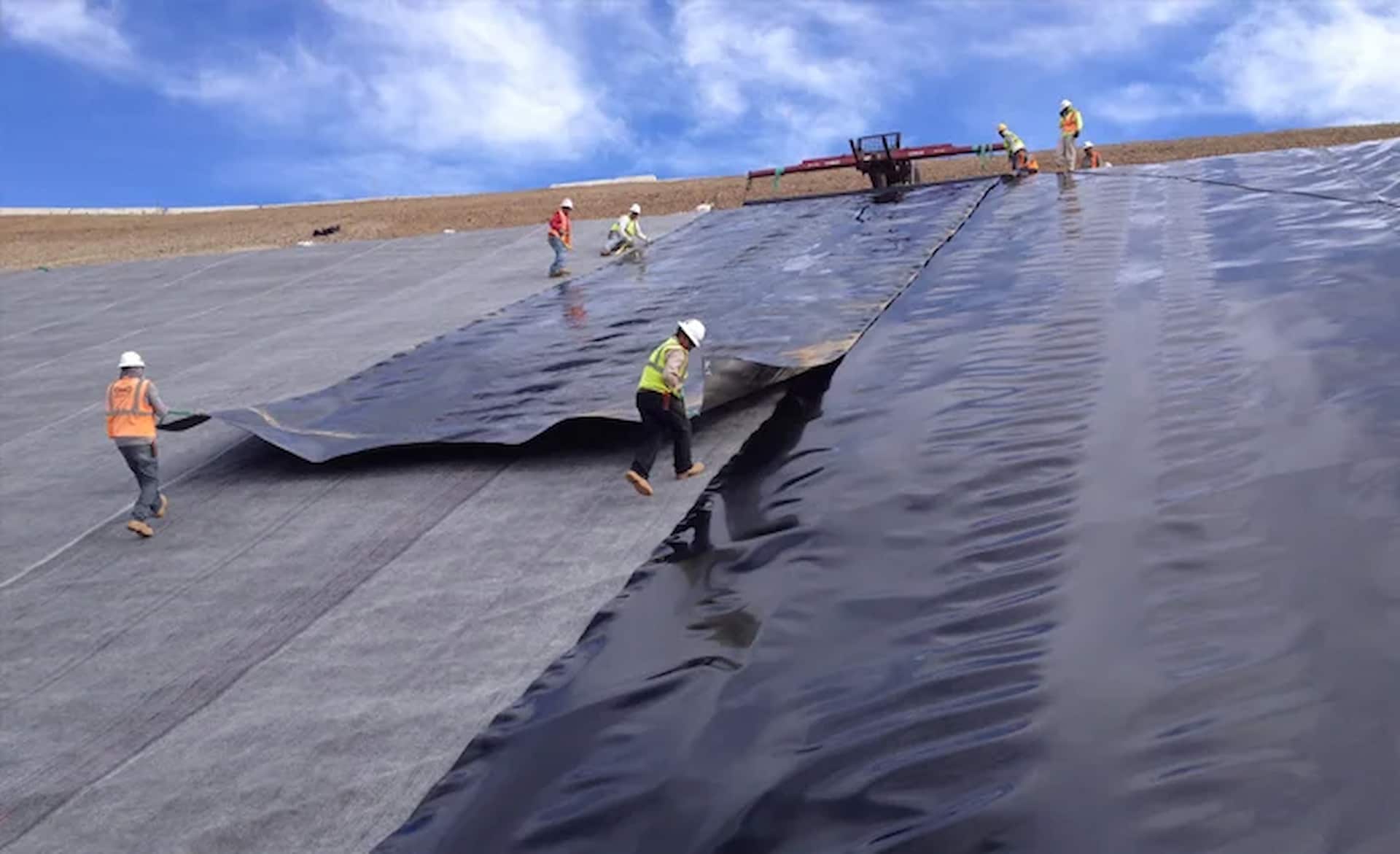
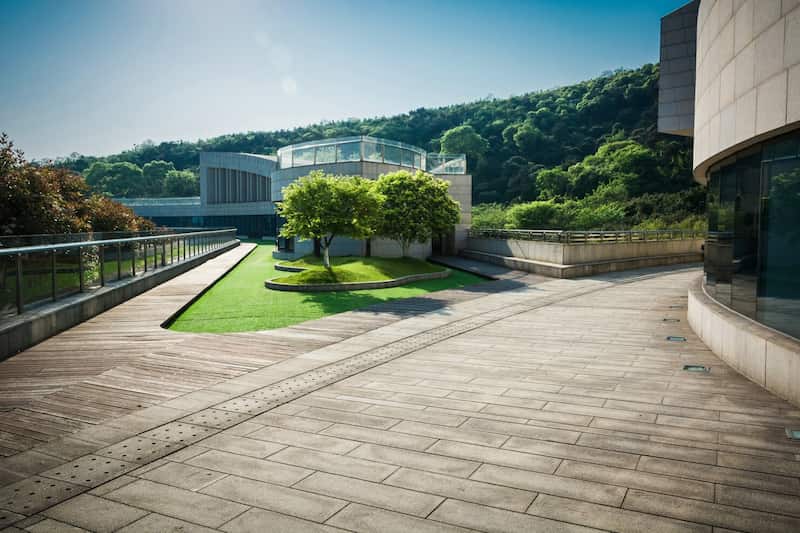
Geomembranes are polymeric sheets with high impermeability, typically manufactured from high-density polyethylene (HDPE) or low-density polyethylene (LDPE). Their primary function is to prevent water and moisture leakage into the structure.
In green roofs, geomembranes act as the main waterproofing layer, preventing irrigation water and soil moisture from reaching the roof. Their high resistance to UV radiation, chemicals, and temperature variations makes geomembranes the ideal choice for diverse climate conditions in Iran.
Geotextile and Its Role in Green Roofs
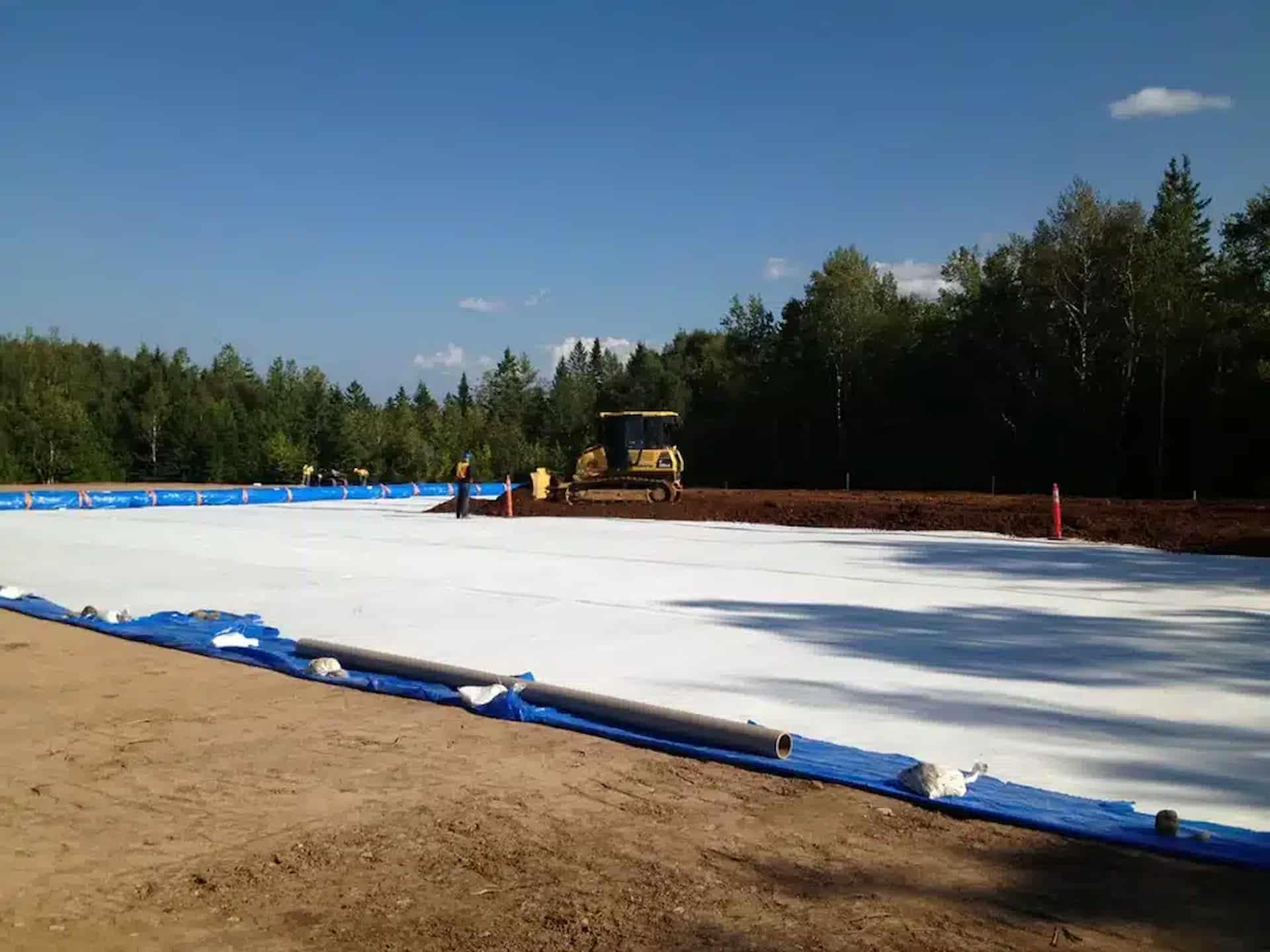
Geotextiles are permeable fabrics made from polypropylene or polyester fibers, produced either by needle punching or weaving. The main functions of geotextiles in green roofs include:
- Providing mechanical protection to the geomembrane against root penetration or mechanical pressure from construction materials.
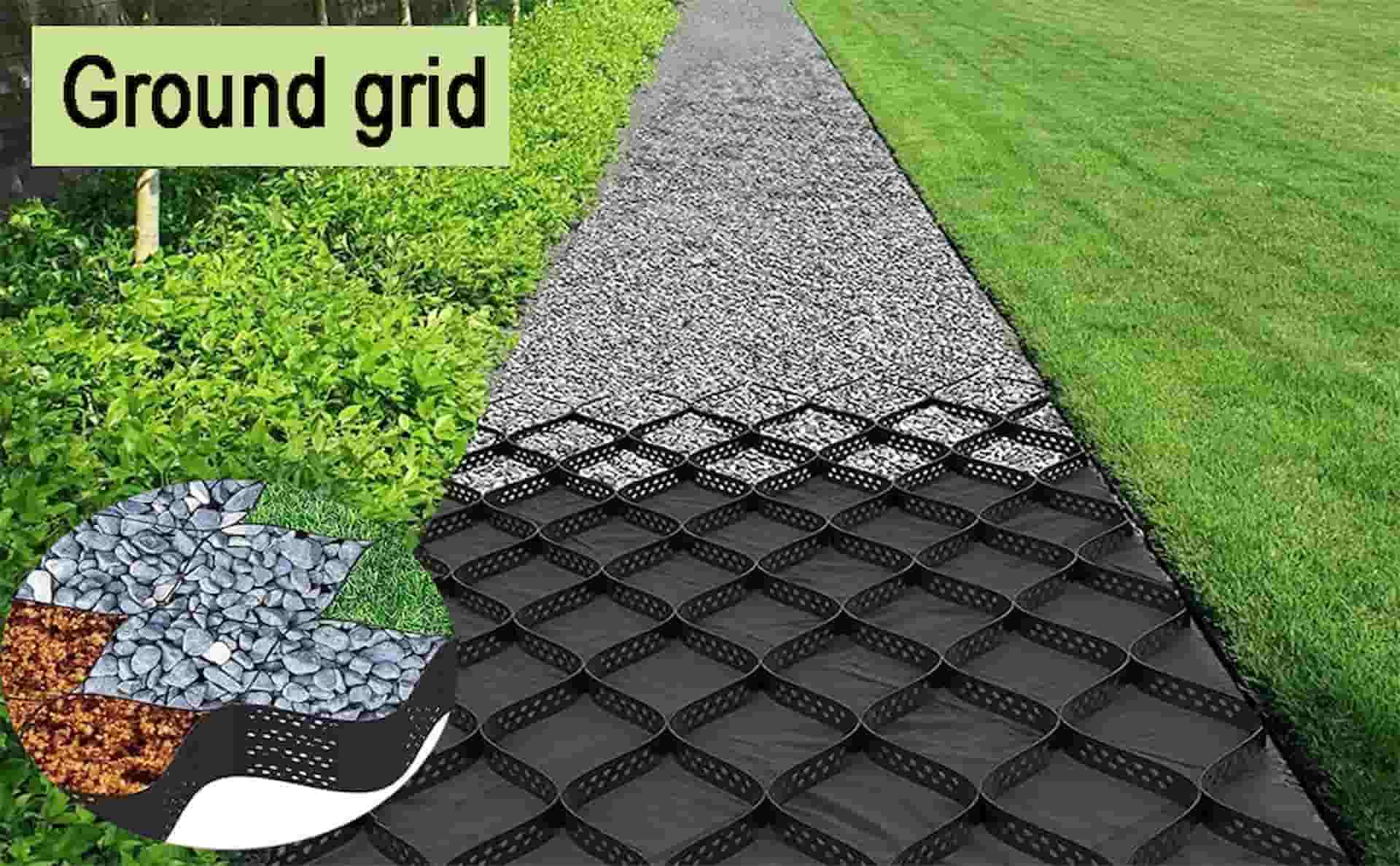
- Filtration and drainage – allowing excess water to pass while preventing fine soil particles from washing away.
- Enhancing the stability of layers and distributing soil and vegetation loads evenly.
- Without geotextiles, geomembranes may be damaged over time due to sharp particles or gravel, losing their waterproofing properties.
- Synergy of geomembrane and geotextile in green roofs.
When these two products are used together, they create a stable, durable, and long-lasting system:
- The geomembrane serves as an impermeable layer to prevent water leakage.
- The geotextile acts as a protective and drainage layer above and below the geomembrane.
This combination ensures:
- Significantly extended waterproofing lifespan.
- Zero risk of moisture infiltration.
- Better distribution of soil loads and dead weight.
- Reduced maintenance and repair costs in the future.
The Role of Khanjani Polymer Industries in Building Sustainable Green Roofs
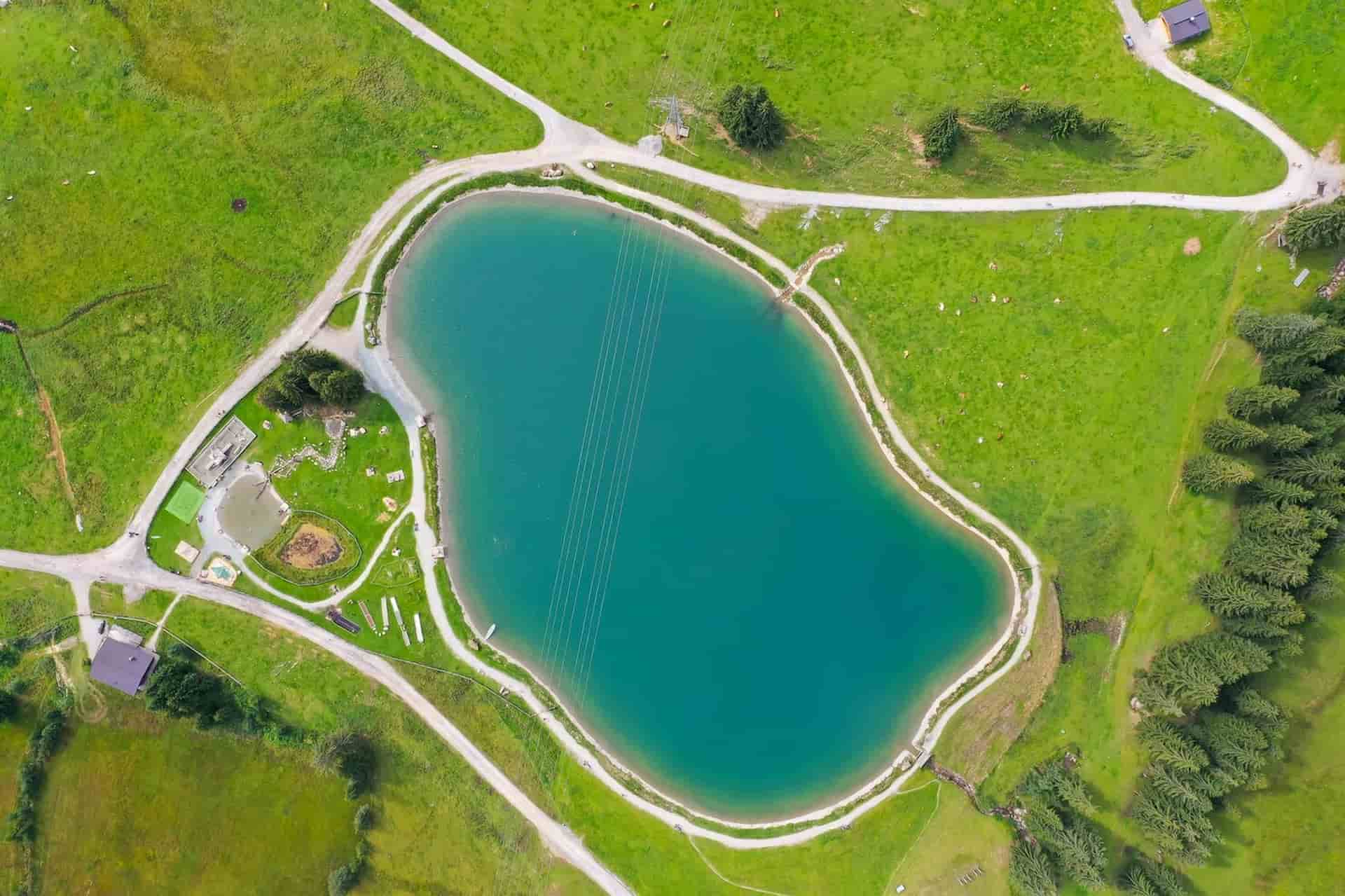
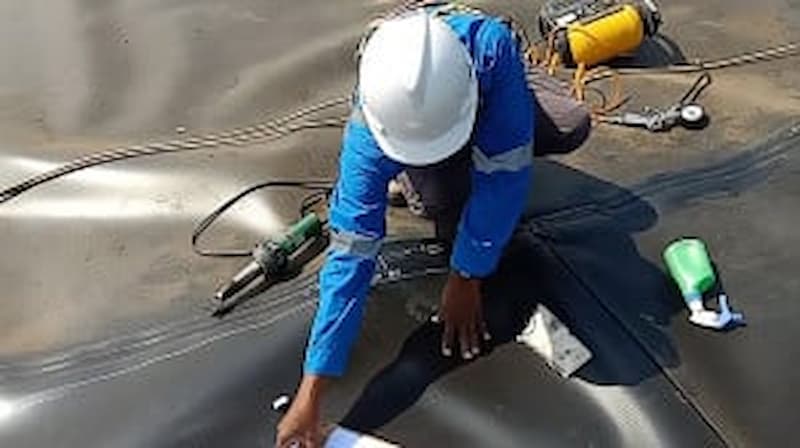
With years of experience in producing and supplying geomembranes and geotextiles, Khanjani Polymer Industries has been able to offer solutions tailored to the needs of civil and construction projects. By utilizing advanced machinery, strict quality control, and a professional installation team, the company has successfully implemented numerous projects in green roofs, agricultural ponds, artificial lakes, and underground drainage.
Advantages of Working with Khanjani Polymer Industries:
- Supplying products that meet international standards.
- Providing design and technical consultation tailored to project requirements.
- Professional installation by an experienced team.
- After-sales support and services to ensure long-term project durability.
Benefits of Combining Geotextile and Geomembrane in Green Roofs
1. Increased structural lifespan: Multi-layered protection ensures waterproofing remains effective even under harsh climatic conditions.
2. Reduced maintenance costs: Preventing water leakage and structural damage minimizes future repair expenses.
3. Improved drainage performance: Geotextiles allow excess water to pass, preventing waterlogging on the roof.
4. Enhanced structural safety: Preventing water penetration protects structural layers against cracks, erosion, and loss of strength.
5. Eco-friendly: The raw materials used in Khanjani Polymer products are recyclable and aligned with sustainable green architecture.
Case Study
In a recent green roof project in Tehran, a combination of HDPE geomembrane and 300 g/m² nonwoven geotextile was installed by Khanjani Polymer Industries. After one year, the results showed:
- No moisture leakage to the lower floors.
- Healthy plant growth and excellent drainage system performance.
- Maintenance costs were reduced by 40% compared to traditional systems.
This case clearly demonstrates the efficiency of the combined method and the expertise of the execution team.
Summary: Combining Geotextile and Geomembrane to Enhance Green Roof Lifespan and Quality
Today, green roofs are an essential part of sustainable architecture and urban development. However, their durability and quality depend on the proper execution of the underlying layers. The combination of geomembrane as a waterproofing layer and geotextile as a protective and drainage layer provides a proven scientific solution to extend the lifespan of green roofs.
By leveraging experience, technical expertise, and advanced equipment, Khanjani Polymer Industries has successfully implemented this solution across various projects. For developers and architects seeking safe, durable, and cost-effective green roofs, partnering with Khanjani Polymer Industries is the ideal choice.