Comparison of Geocell and Geomembrane for Agricultural Projects – Khanjani Polymer Industries
Khanjani Polymer Industries, with years of experience in manufacturing geosynthetic products, has always been a pioneer in providing innovative solutions for agricultural and aquaculture projects. Selecting the right material for water management and soil stabilization plays a crucial role in the success of agricultural projects. In this article, we compare Geocell and Geomembrane sheets, two key products in this field, and review their applications.
What is Geomembrane?
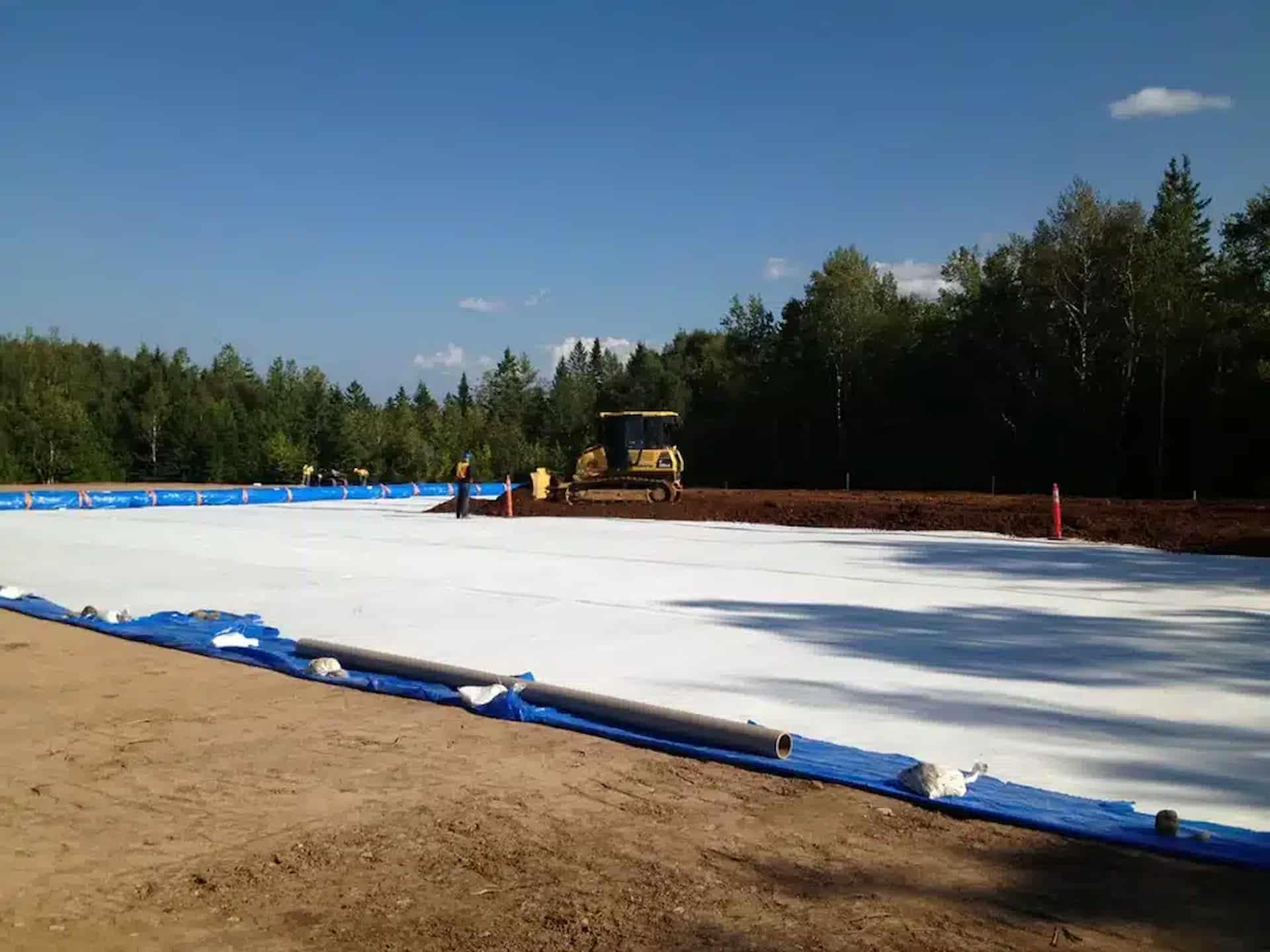
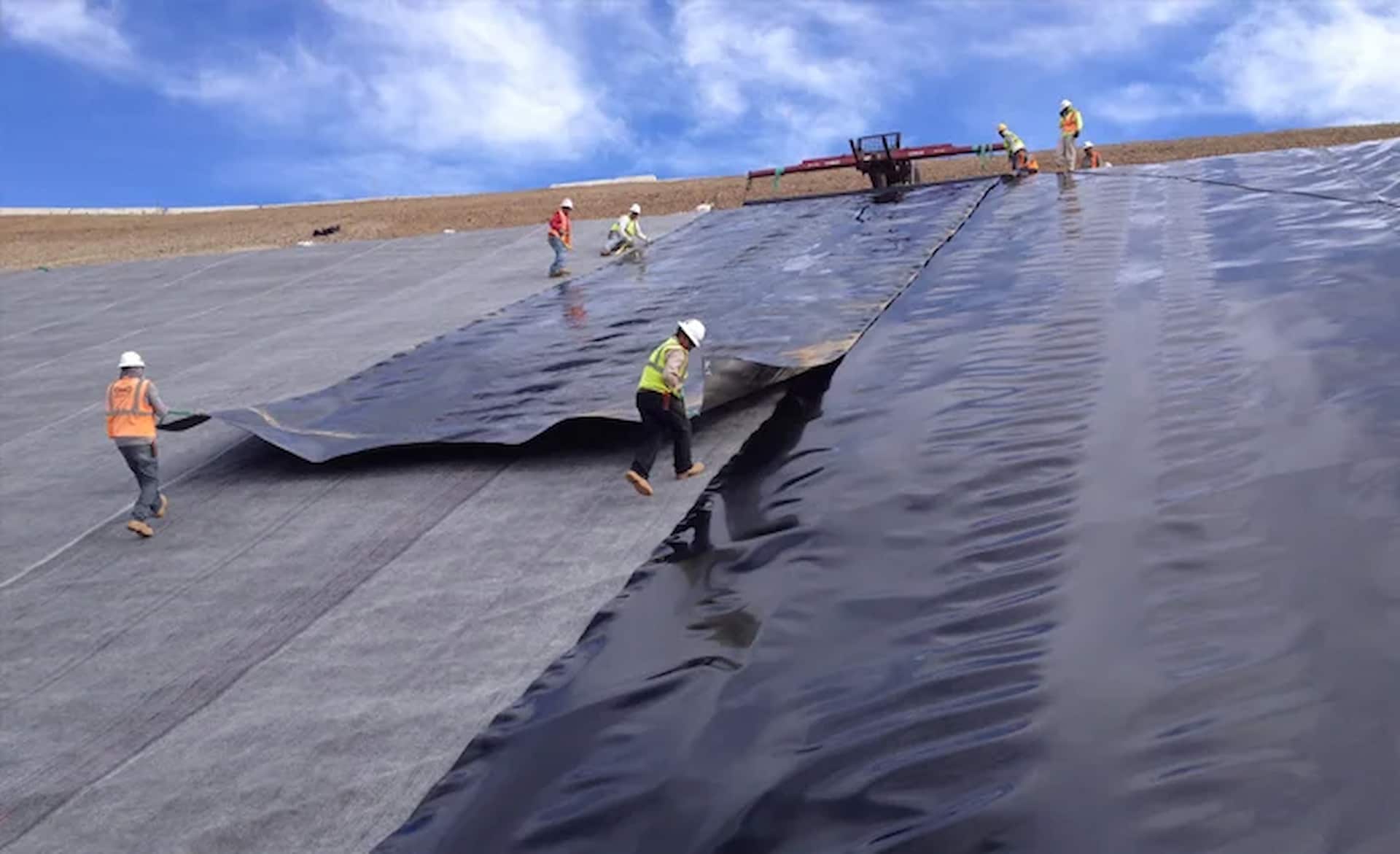
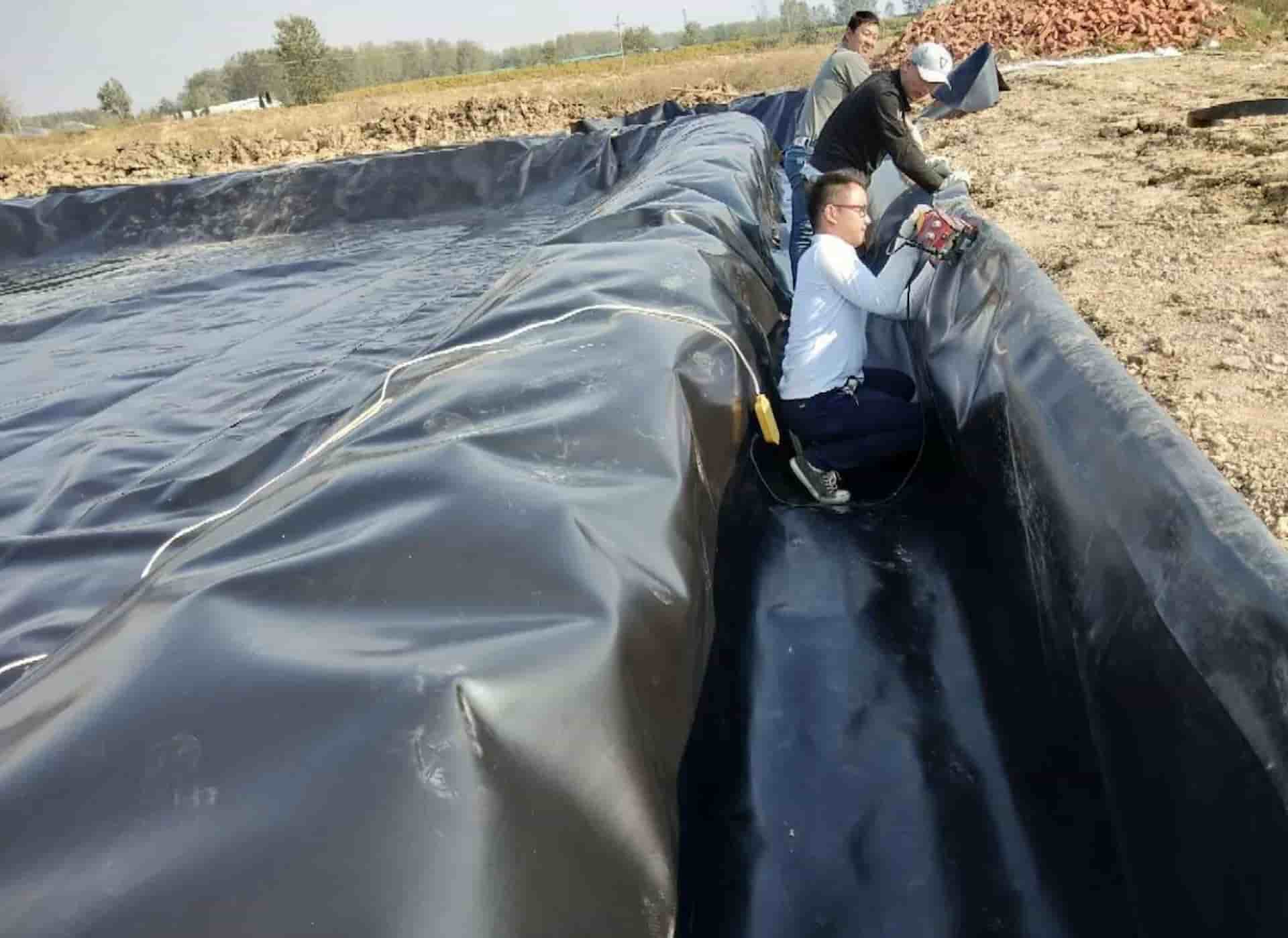
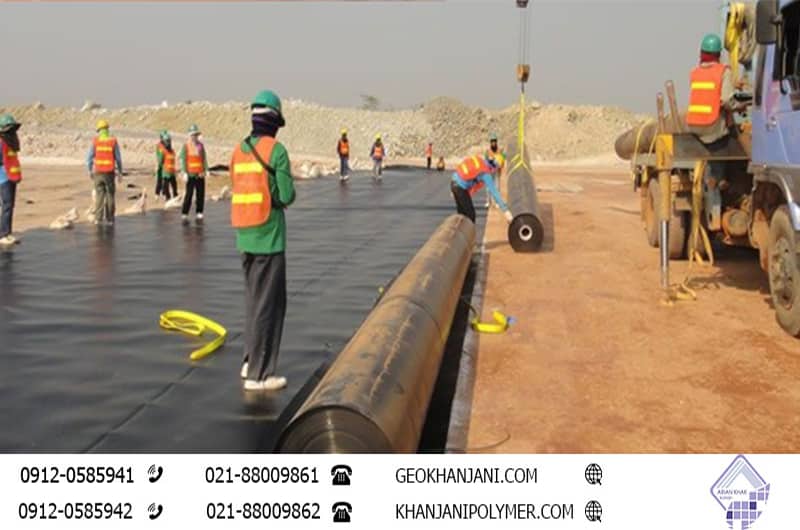
Geomembranes are polymeric sheets with excellent impermeability, produced from HDPE or LLDPE. Due to their outstanding chemical and mechanical resistance, long service life, and flexibility, they are widely used in agricultural and industrial projects.
Key Features of Geomembrane in Agriculture
- Waterproofing: Prevents water loss in reservoirs, fish ponds, and shrimp farms.
- Chemical resistance: Withstands fertilizers, organic matter, and chemical compounds in soil and water.
- Long durability: Service life of 20–50 years depending on polymer type and environmental conditions.
- Easy and fast installation: Suitable for covering large areas in minimal time.
Applications of Geomembrane in Agriculture
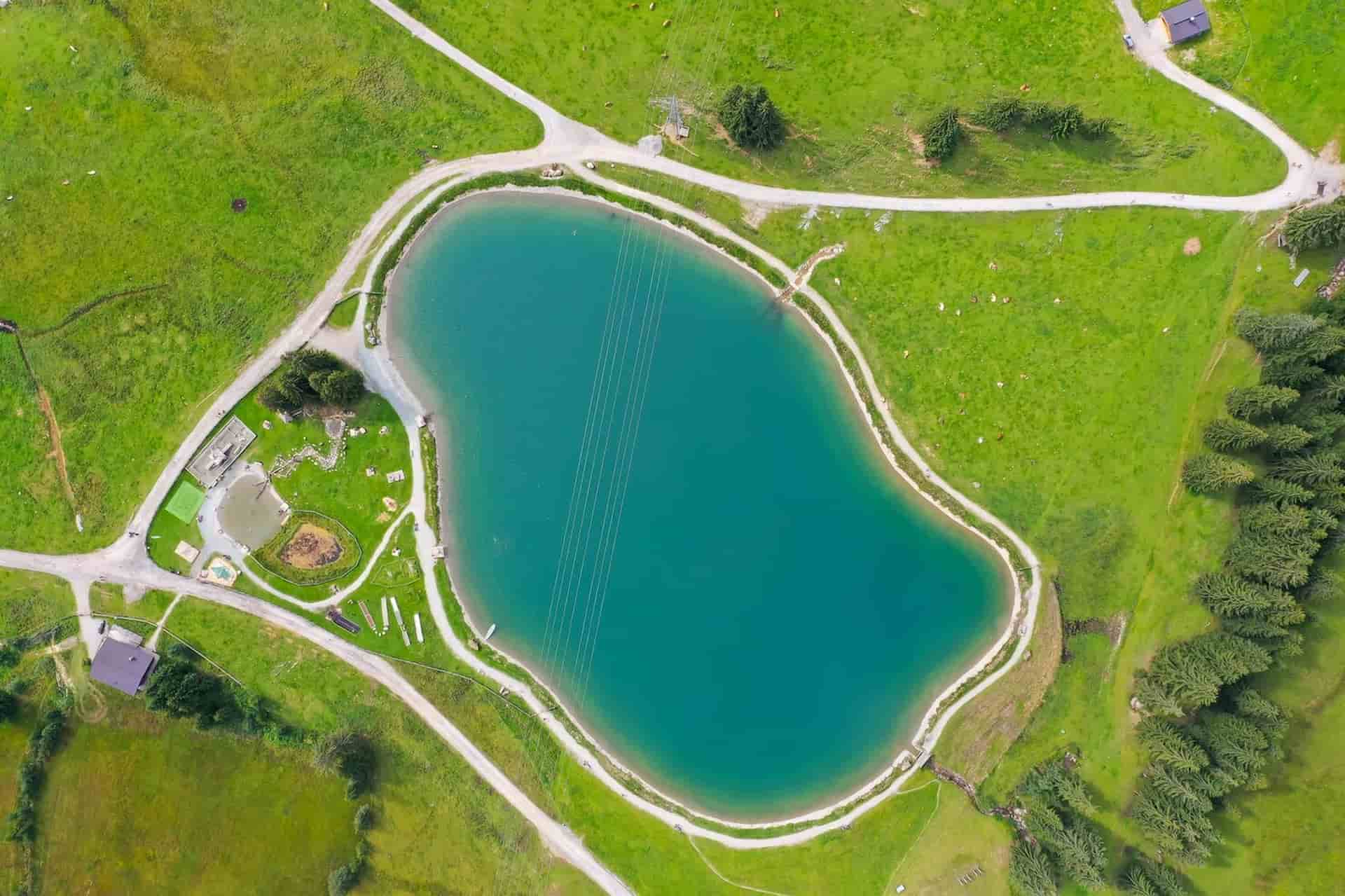
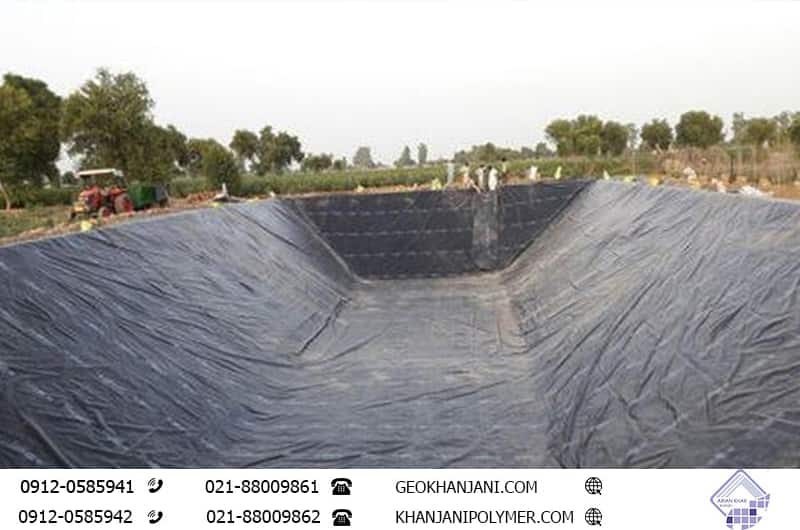
- Agricultural water reservoirs: Reduces seepage and evaporation losses.
- Aquaculture ponds: Provides a hygienic environment and enables water quality control.
- Drainage and rainwater collection: Enhances irrigation efficiency and reduces water waste.
What is Geocell?
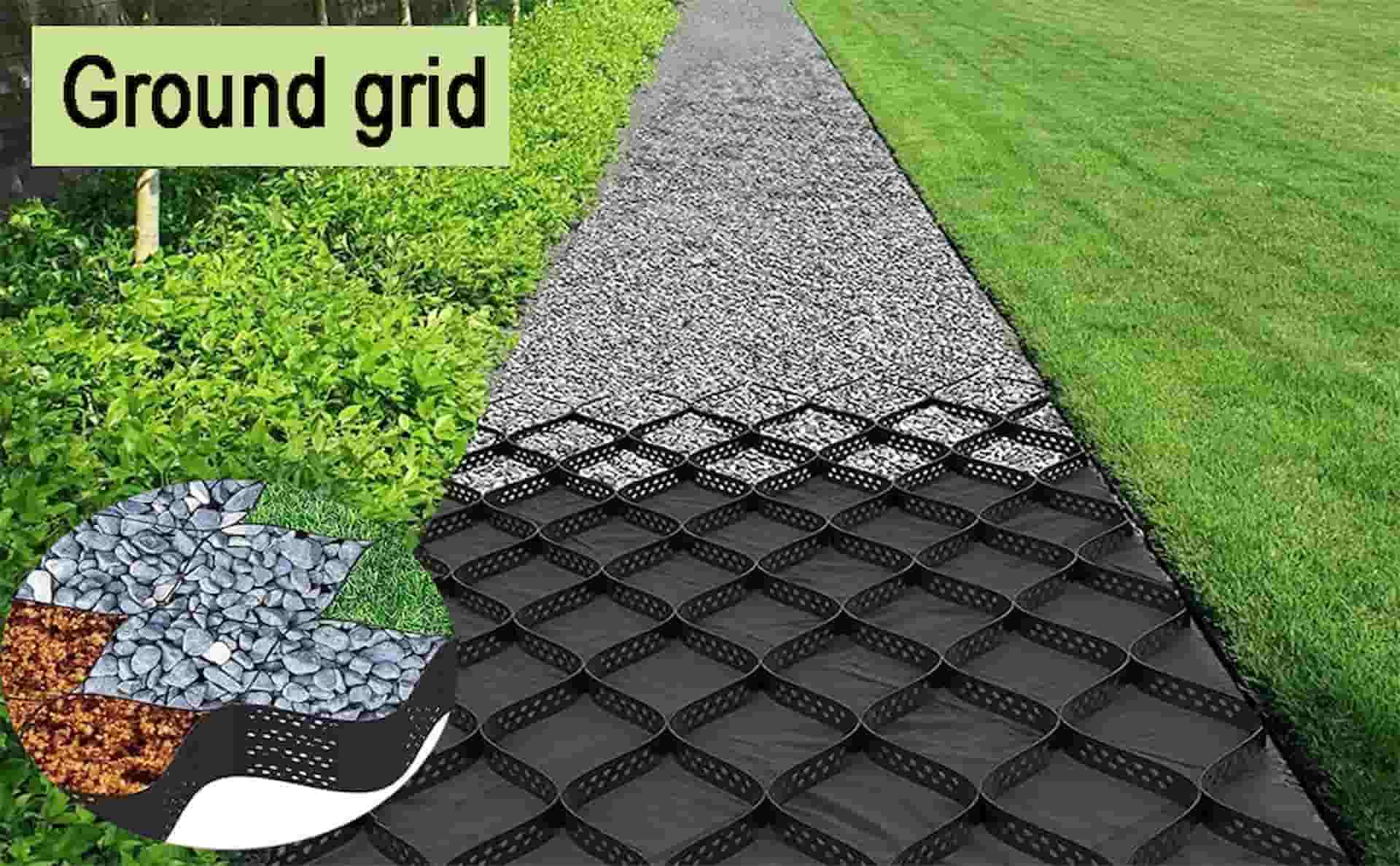
Geocells are polymeric cellular structures designed for soil stabilization, erosion control, and improved water retention. By forming a strong interconnected network, geocells hold the soil in place and prevent erosion or sliding.
Key Features of Geocell in Agriculture
- Erosion control: Ideal for slopes and steep agricultural lands.
- Improved water retention: Retains water within the cells, reducing irrigation frequency.
- Soil reinforcement: Increases soil strength against the load of agricultural machinery.
- Eco-friendly: Made from non-toxic and environmentally safe materials.
Applications of Geocell in Agriculture
- Soil stabilization and slope protection: Especially effective in high-rainfall regions.
- Improved crop beds: Prevents surface erosion and provides stable planting ground.
- Water management in fields: Reduces evaporation and helps maintain soil moisture.
Key Differences Between Geomembrane and Geocell
- Main purpose: Geomembrane = waterproofing | Geocell = soil stabilization and erosion control
- Structure: Smooth/textured polymer sheet | 3D cellular network
- Applications in agriculture: Reservoirs, ponds, water storage | Slopes, steep lands, crop beds
- Mechanical resistance: Very high, tear-resistant | Moderate, sufficient for soil reinforcement
- Durability: 20–50 years | 15–30 years depending on polymer and environment
- Main advantage: Complete impermeability | Enhanced soil water retention and erosion control
- Installation: Fast and easy | Requires soil preparation and grid layout
Important Factors in Choosing Between Geomembrane and Geocell

The selection of the right material for agricultural projects depends on several factors:
- Type of project: For water storage or aquaculture, geomembrane is the first choice. For slopes and erosion-prone lands, geocell is more effective.
- Environmental conditions: In areas with high UV exposure, UV-resistant HDPE geomembranes last longer. Geocells must also be made of durable, moisture- and temperature-resistant polymers.
- Cost and budget: Geomembrane installation is usually faster and more cost-effective, while geocells offer long-term benefits in soil stabilization and water retention.
- Maintenance: Geomembranes require monitoring for possible tears, while geocells require less maintenance after installation.
Combining Geomembrane and Geocell in Agriculture
In advanced agricultural projects, a combination of geomembrane and geocell provides the best results:
- Geomembrane for lining ponds and reservoirs to prevent seepage and water loss.
- Geocell for stabilizing soil on surrounding slopes and retaining soil moisture.
This combination optimizes both water and soil management, boosting agricultural efficiency.
Why Khanjani Polymer Industries?
Khanjani Polymer Industries, by producing HDPE and LLDPE geomembranes and supplying high-quality geocells, has delivered comprehensive and cost-effective solutions for agricultural projects.
Advantages of Khanjani Products
– High quality and international standards: Compliant with ASTM and GRI standards.
– Outstanding chemical and mechanical resistance: Suitable for harsh environmental conditions.
– Professional support and consultation: Engineering team ready to assist in product selection and project design.
– Export capability and supply for large-scale projects: Products used in both domestic and international projects.
Summary: Geocell vs Geomembrane in Agriculture
Both geomembranes and geocells are essential tools for water and soil management in agriculture, but each serves different purposes:
- Geomembrane: Ideal for waterproofing and water storage.
- Geocell: Effective for soil stabilization, erosion control, and water retention.
Depending on land type, project goals, and budget, geomembranes and geocells can be used separately or together to maximize durability and efficiency in agricultural projects.
If you are looking to buy geomembrane in Iran with high quality and competitive prices, Khanjani Polymer Industries is your trusted partner, offering standard-certified products, long service life, and expert technical support for smart and sustainable agricultural projects.