Geosynthetic materials, generally made from petrochemical polymers (plastics), are biologically inert and resistant to degradation by bacteria and fungi. This property has enabled them to play a significant role in various engineering fields, particularly in construction, civil engineering, and environmental protection. Geosynthetics, which include products such as geotextiles, geomembranes, and other related derivatives, provide innovative solutions for soil stabilization, erosion control, and water resource management. In this article, we will examine the fundamental principles of geosynthetics, their diverse applications, and the benefits they bring to modern engineering projects.
Difference Between Geotextile and Geosynthetics
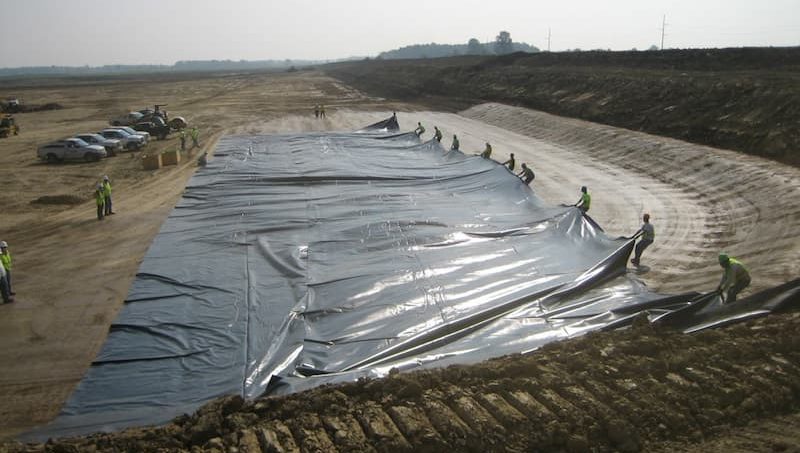
The term “geosynthetic” refers to a wide range of polymer-based materials designed for civil and geotechnical purposes, and they are among the most versatile materials in soil improvement and construction. Geotextile is in fact one type of geosynthetic and belongs to a narrower category. Geotextiles resemble engineered fabrics and are made from materials such as polypropylene or polyester. These products are permeable and are primarily used for separation, filtration, and reinforcement in civil projects. In contrast, other geosynthetics such as geomembranes are impermeable and mainly used in containment and lining systems.
What Are the Most Common Geosynthetics?
The most common types of geosynthetics include:
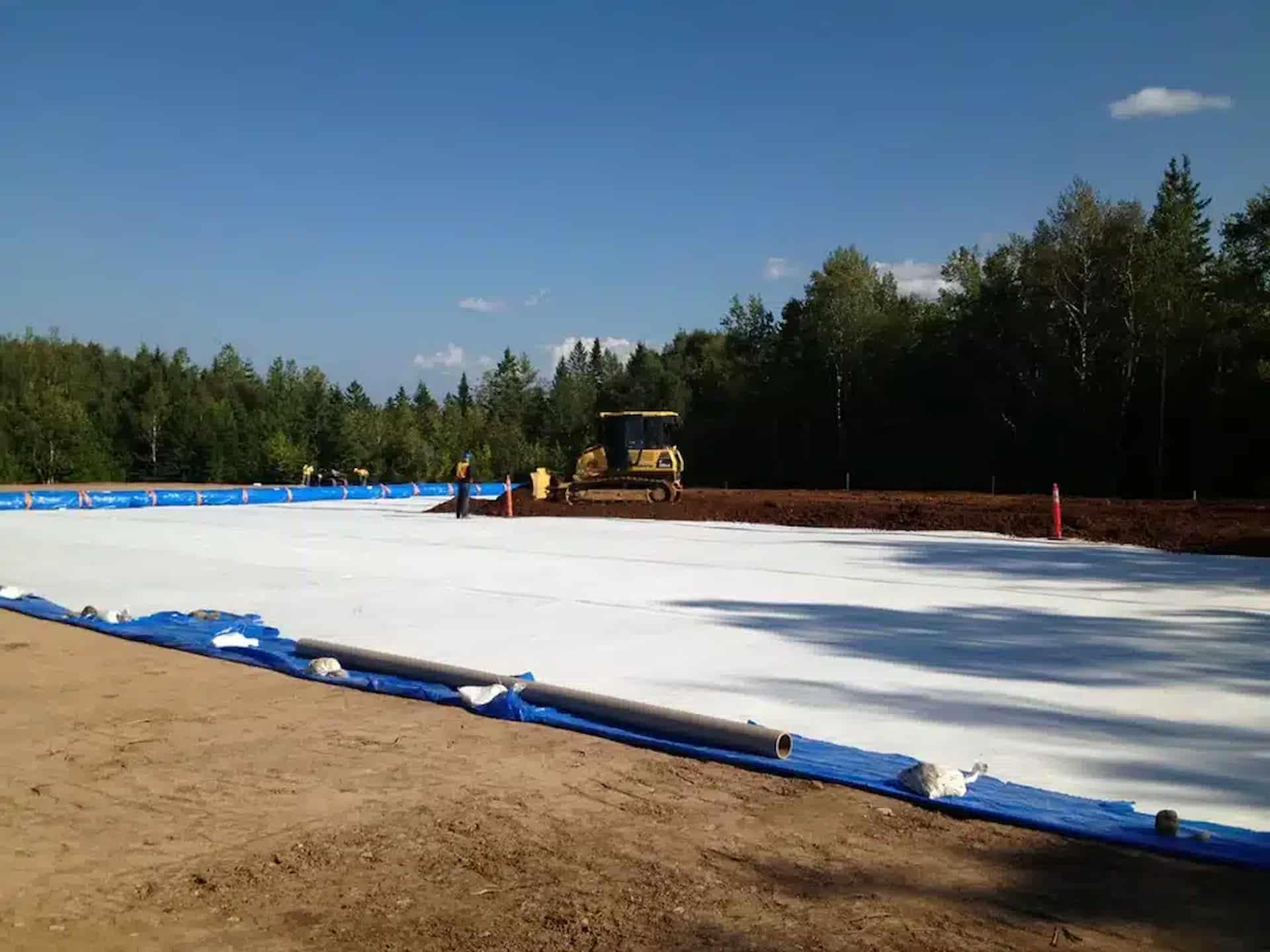
- Geotextiles: Used for filtration, separation, and reinforcement, typically made from high-density polyethylene (HDPE), polypropylene (PP), and polyester (PET).
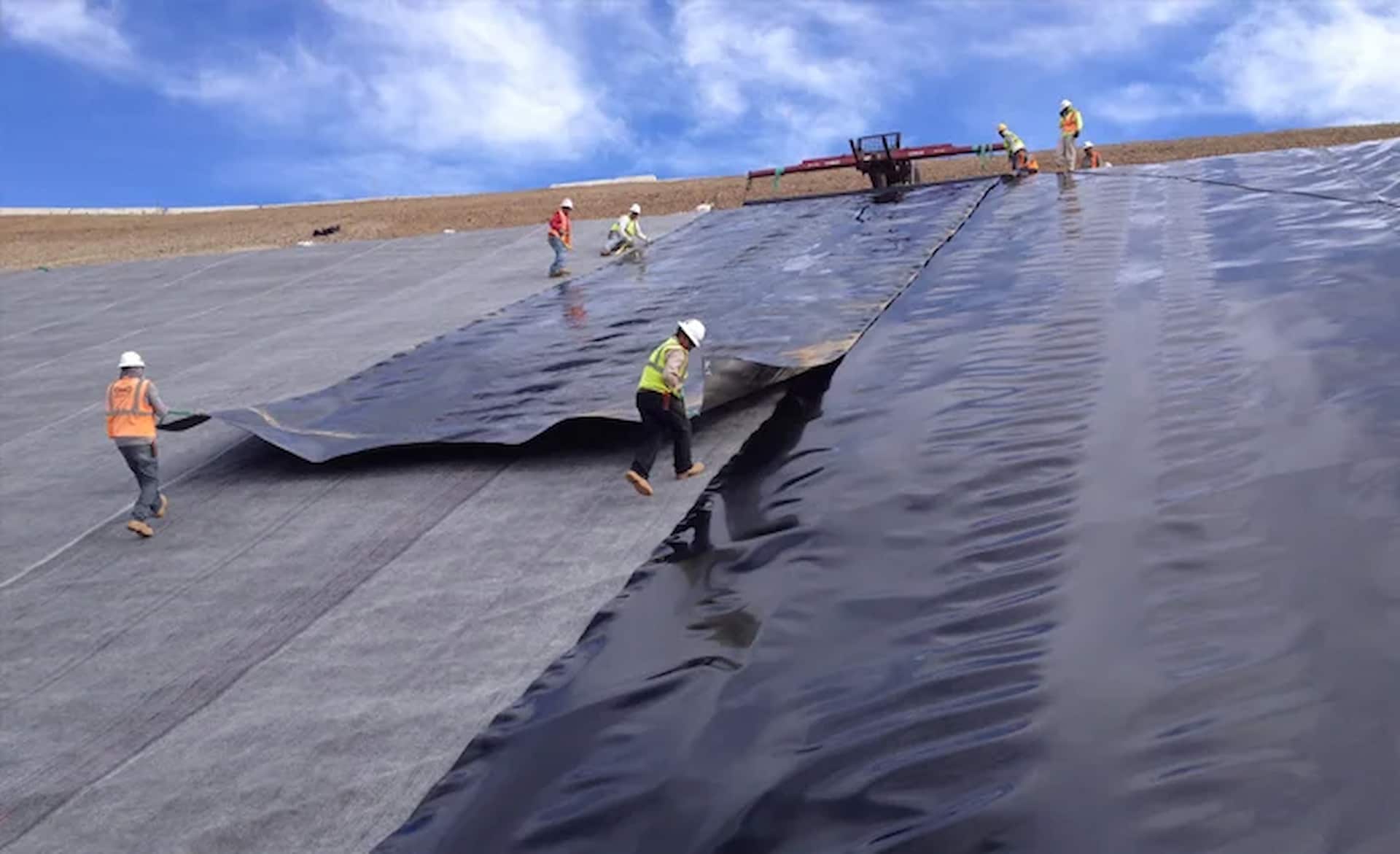
- Geomembranes: Impermeable liners used for containment and barrier functions, such as in landfills, often made from HDPE.
- Geogrids: Used for soil reinforcement and load distribution over larger areas, commonly applied in retaining walls and roads, usually made from PP or PET.
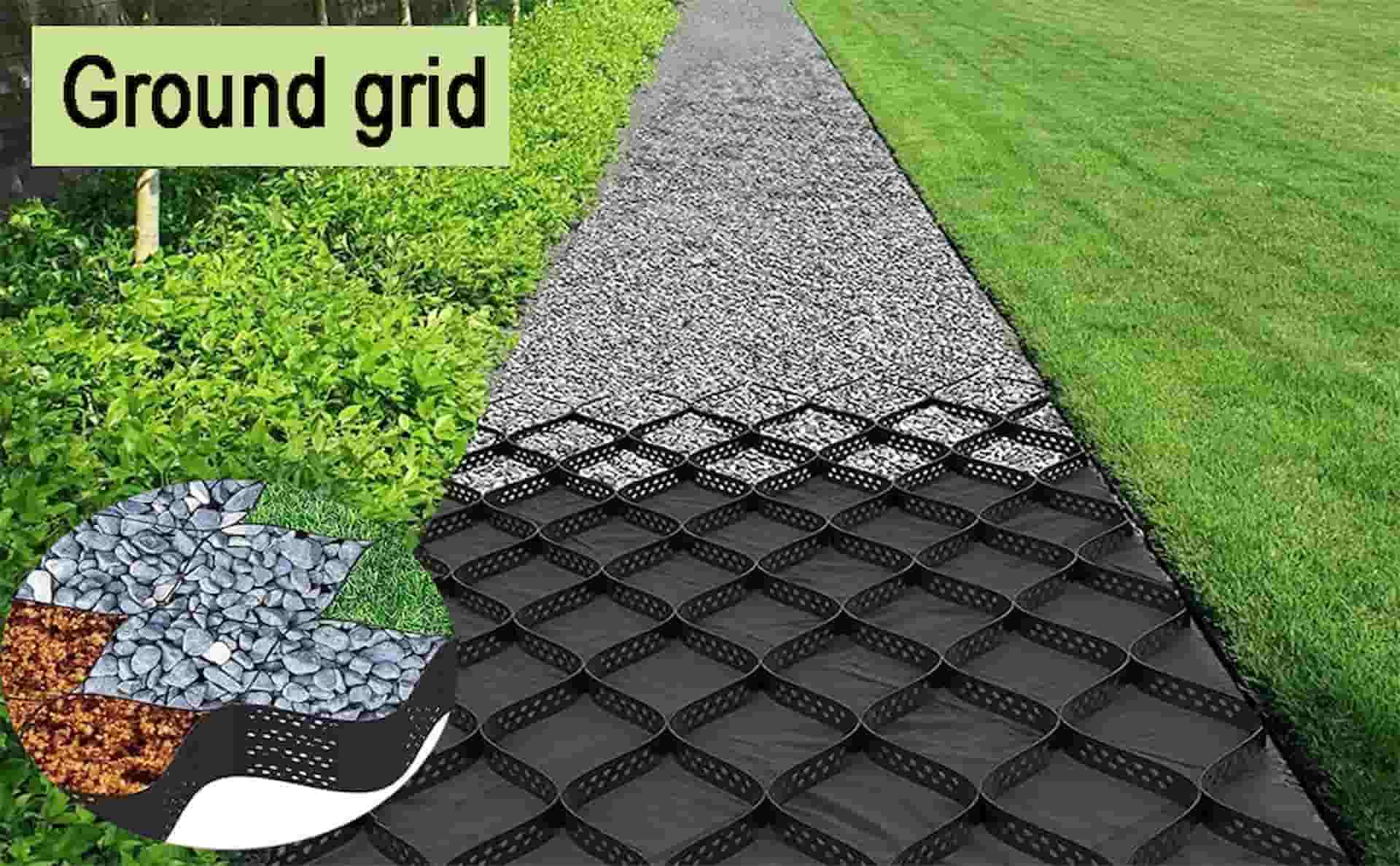
- Geocells: Three-dimensional honeycomb-like structures for soil stabilization, erosion control, and load distribution, typically manufactured from HDPE.
- Geonets: Applied in drainage functions, allowing fluid flow while providing structural support, usually made from HDPE or PP.
Applications of Geotextiles in Construction
Khanjani Polymer Industries’ high-quality geotextiles have introduced a new dimension to civil engineering and environmental management. With their capabilities in filtration, separation, and soil reinforcement, these products are especially valuable in civil works, road construction, and erosion control. Their exceptional durability and flexibility reduce the reliance on traditional materials. Using Khanjani geotextiles not only increases the strength and lifespan of projects but also preserves natural resources and minimizes environmental harm, offering engineers and contractors a sustainable and cost-effective solution. This unique combination of quality, performance, and environmental responsibility makes Khanjani geotextiles an ideal choice for any engineering project. 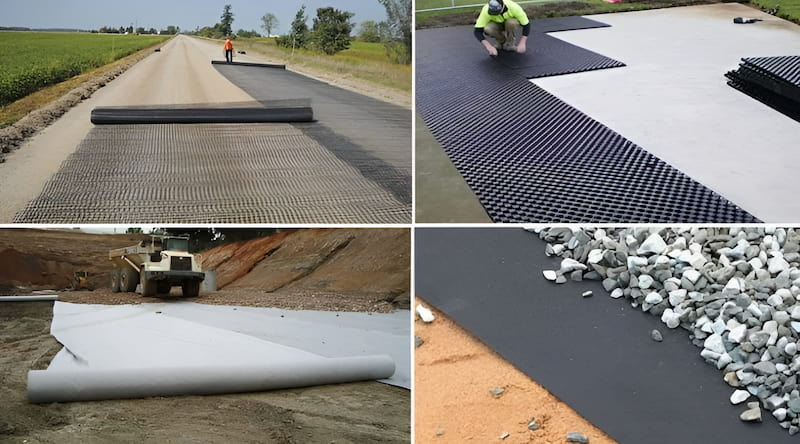
What Are Geosynthetic Products?
Geosynthetic products are man-made materials used for ground stabilization, offering a variety of solutions for different engineering needs. These include:
- Geotextiles: Woven and nonwoven fabrics for soil reinforcement and erosion control.
- Geomembranes: HDPE, LLDPE, and PVC liners used for waterproofing and containment.
- Geogrids: Plastic or composite mesh structures used to reinforce soil in retaining walls and roads.
- Geocells: Cellular confinement systems for slope protection and load-bearing applications.
- Geocomposites: Combinations of geosynthetic materials designed for specific functions such as drainage and reinforcement.
What Are the Advantages of Geosynthetic Materials?
Geosynthetic materials provide several advantages that make them essential in modern engineering:
- Durability: Made from polymers, geosynthetics resist environmental degradation and chemical exposure, ensuring long-term performance with higher efficiency compared to traditional materials.
- Versatility: They can be tailored for specific functions such as reinforcement, filtration, drainage, and containment, providing greater flexibility in applications.
- Cost-effectiveness: Geosynthetics often reduce the need for traditional construction materials, resulting in lower costs and easier installation.
- Environmental Benefits: By minimizing soil disturbance and preventing erosion, geosynthetics contribute to more sustainable construction practices.
Geosynthetic materials are a cornerstone of modern engineering, offering solutions for construction challenges, environmental protection, and infrastructure development. From geotextiles and geomembranes to geogrids and geocells, these materials are versatile, durable, and environmentally friendly. Understanding the differences and applications of these products can help in selecting the right geosynthetic for each project, ensuring durability and cost-effectiveness.
Summary: Comparing Geotextiles and Other Geosynthetics
Both geotextiles and geosynthetics are advanced polymer-based products in modern engineering, but their primary difference lies in function and application: geotextiles are mainly used for soil reinforcement, filtration, and erosion control, whereas other geosynthetics such as geomembranes, geogrids, and geocells serve more specialized roles including sealing, slope stabilization, and load distribution. Khanjani Polymer Industries, by providing high-quality products, delivers comprehensive solutions for civil, agricultural, and industrial projects. For selecting the most suitable geosynthetic for your project, contact us at: 09120204952.