Comparison of Geomembranes and Traditional Soil & Concrete Waterproofing Methods
Highlighting the Expertise and Solutions of Khanjani Polymer Industries
Waterproofing in construction and agricultural projects is a critical step to enhance the durability and efficiency of structures and facilities. Preventing water leakage, protecting the soil, reducing water wastage, and extending the service life of projects are among the primary goals of effective waterproofing. Traditionally, methods such as concrete casting, cement mortar, bitumen sheets, and roofing membranes were commonly used. While these methods were effective in their time, the advent of modern technologies, especially geomembranes, has revolutionized the field.
Khanjani Polymer Industries, as a pioneer in the production and implementation of geosynthetic products in Iran, has played a key role in promoting and expanding the use of geomembranes, providing a reliable alternative to traditional waterproofing methods. This article provides a detailed comparison between geomembranes and conventional soil and concrete waterproofing techniques, highlighting the advantages of each approach.
Section 1: Traditional Waterproofing Methods
1. Concrete Waterproofing
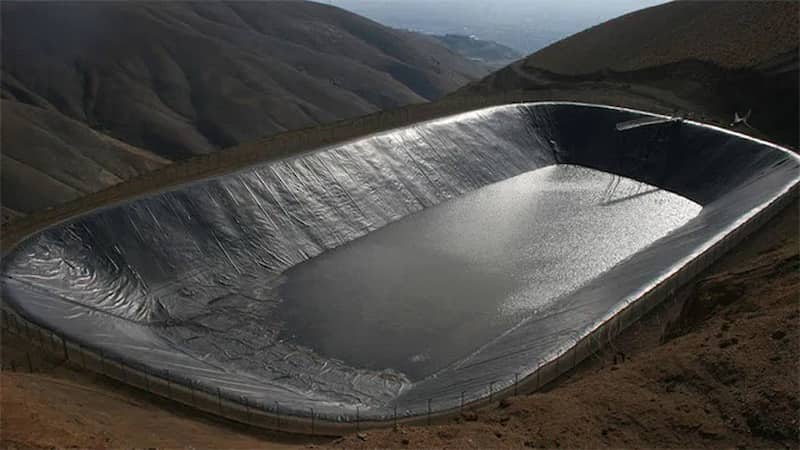
In many irrigation and agricultural pond projects, concrete is used as the primary waterproofing layer. While concrete offers high compressive strength, it is vulnerable to cracking, temperature fluctuations, and soil settlement. Water infiltration through micro-cracks is one of the main drawbacks of this method.
2. Bitumen Sheets and Roofing Membranes
Bitumen and roofing membranes are also widely used traditional waterproofing methods. They are applied in ponds, rooftops, and water channels. Although initially resistant, these materials degrade over time when exposed to direct sunlight, temperature variations, and chemical exposure.
3. Challenges of Traditional Methods
- Low durability under harsh weather conditions
- High maintenance and repair costs
- Heavy weight, especially in concrete applications
- Difficulty in large-scale project execution
- High consumption of natural resources such as cement and bitumen, which is environmentally unsustainable
Section 2: Geomembranes – The Next Generation Waterproofing
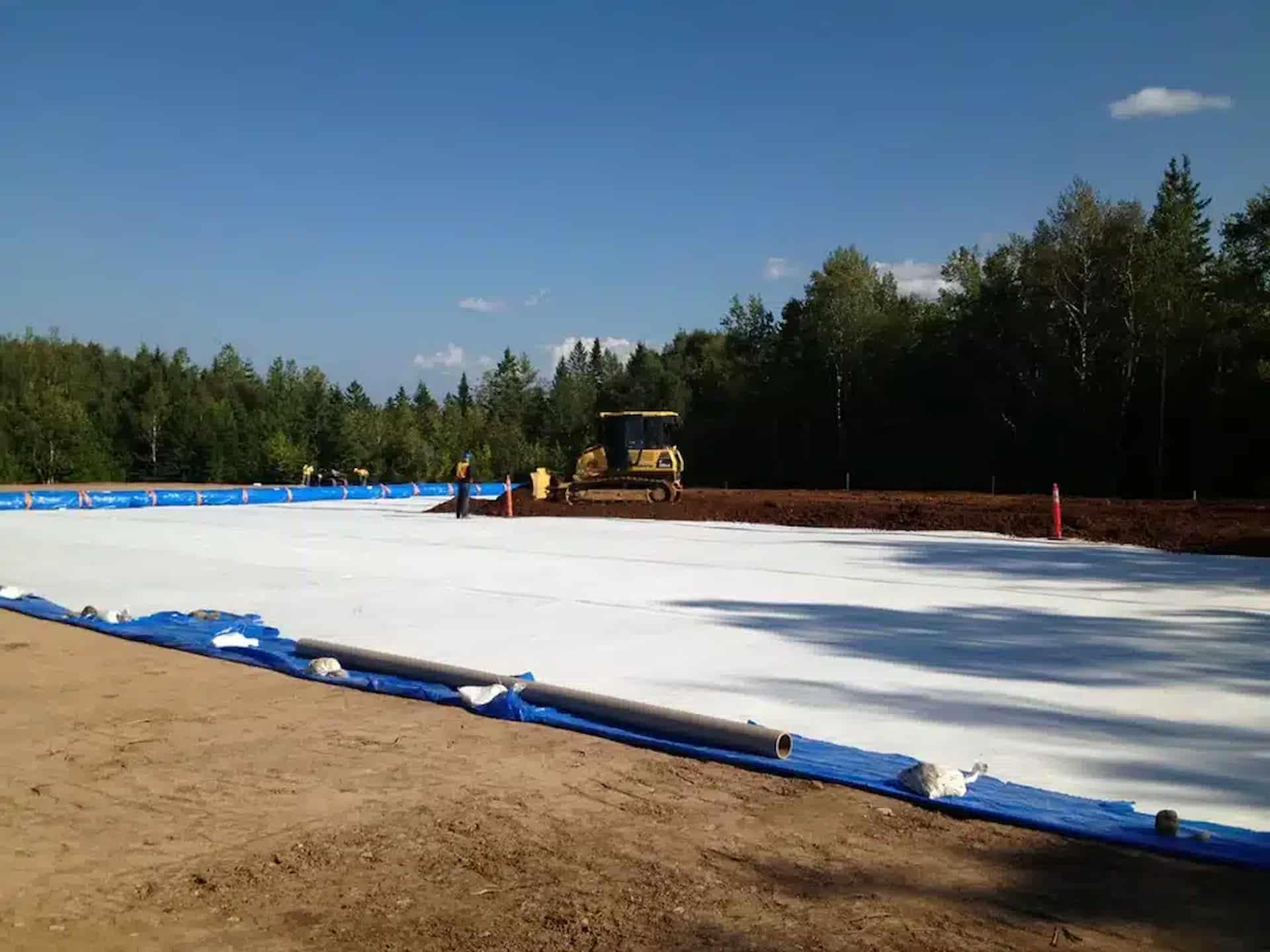
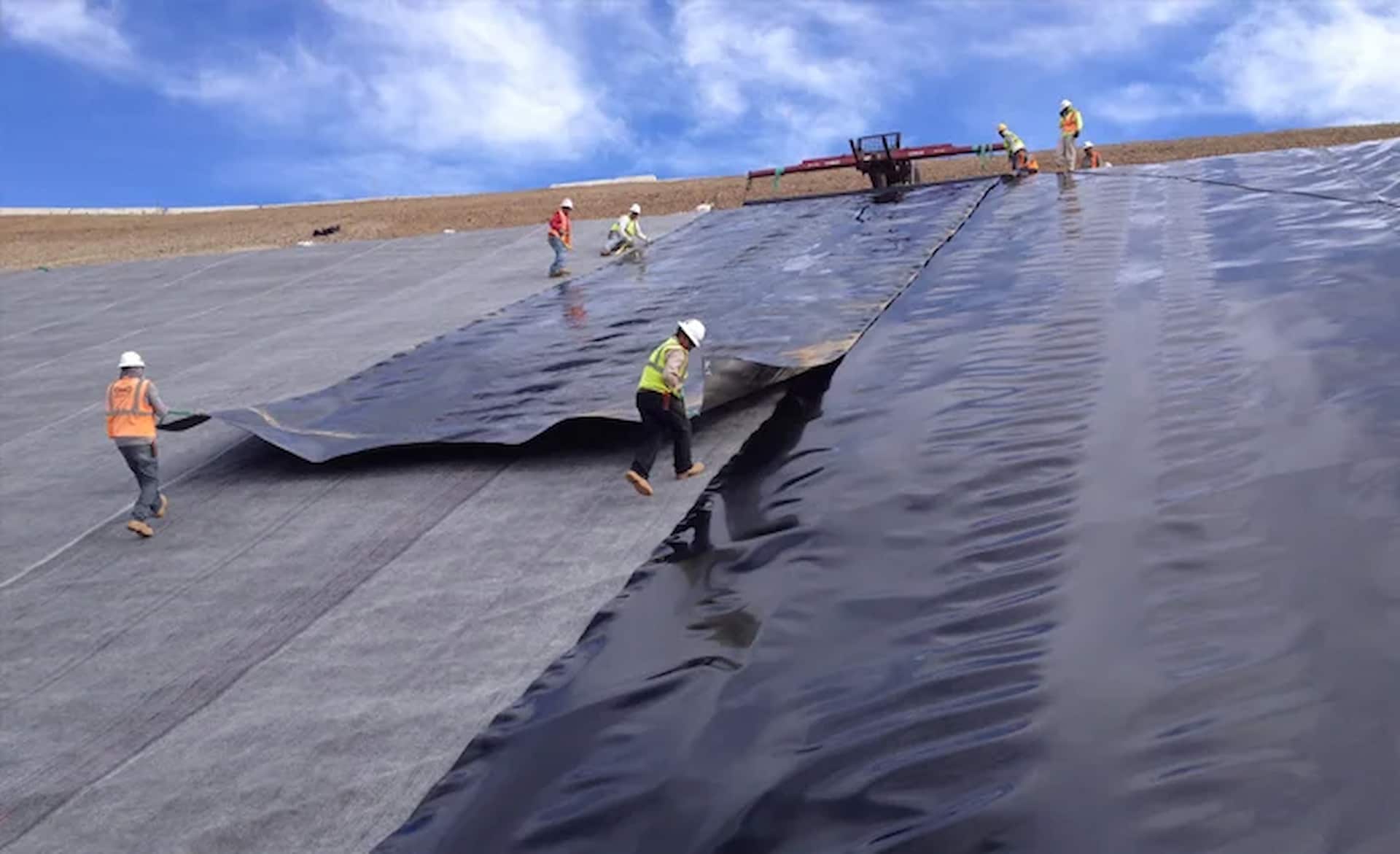
Geomembranes are flexible polymer sheets made from polyethylene with different densities (HDPE, LLDPE). Due to their complete impermeability to water and resistance to a wide range of chemicals, geomembranes are now considered one of the most effective waterproofing solutions.
Advantages of Geomembranes
- Long service life (over 50 years under standard conditions)
- High resistance to UV rays and temperature fluctuations
- Excellent flexibility, allowing installation in projects of any shape and size
- Faster installation compared to concrete and bitumen sheets
- Significant reduction in construction and maintenance costs
- Environmentally friendly by preventing water loss and avoiding harmful waste generation
- Excellent chemical resistance against acids, bases, and salts
Section 3: Direct Comparison – Geomembranes vs. Traditional Methods
| Features | Geomembrane | Concrete | Bitumen / Roofing Membrane |
|---|---|---|---|
| Water Impermeability | Very High | Medium | Degrades over time |
| Service Life | 30–50 years | 10–20 years | 5–10 years |
| UV Resistance | Excellent | Weak | Very Weak |
| Installation & Maintenance Cost | Low and economical | Very High | Moderate, requires frequent repairs |
| Installation Speed | Fast | Slow | Moderate |
| Environmental Compatibility | High | Low | Very Low |
Section 4: Role of Khanjani Polymer Industries in Geomembrane Waterproofing
Khanjani Polymer Industries, with years of experience in manufacturing, supplying, and installing geomembranes and other geosynthetic products, meets the needs of diverse agricultural, construction, and environmental projects. Key services include:
- Manufacturing and supplying geomembranes according to global quality standards
- Professional consultation on selecting the right type and thickness of geomembrane for each project
- Expert installation by trained and experienced teams
- After-sales support to ensure the long-term performance of projects
- Thanks to these services, Khanjani Polymer Industries is recognized as a trusted brand both in Iran and across the region
Conclusion: Geomembranes vs. Traditional Soil Waterproofing Methods
Based on extensive evaluation, geomembranes offer significant advantages over traditional soil and concrete waterproofing methods. Longer service life, lower costs, faster installation, environmental compatibility, and excellent chemical resistance make geomembranes a smart choice for agricultural, industrial, and construction projects.
While traditional methods struggle with high costs, short lifespan, and execution challenges, geomembranes, supported by expert teams like Khanjani Polymer Industries, provide a sustainable and cost-effective solution for the future of construction and agricultural projects.