Home » Fish farming ponds
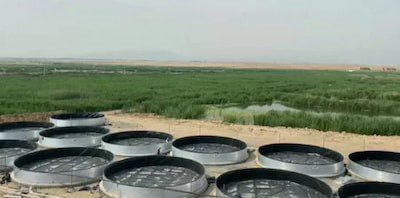
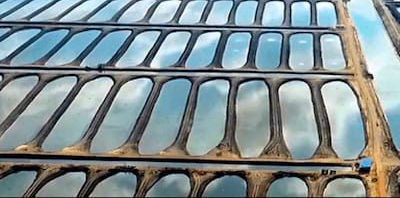
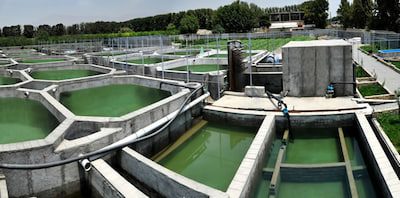
The construction of aquaculture ponds using geomembrane technology at Khanjani Polymer Industries represents a modern step toward optimizing water usage, increasing efficiency, and preserving the environment. This method, utilizing advanced polymer liners, serves as an effective alternative to traditional earthen ponds.
Geomembranes, especially HDPE types, with very low permeability, prevent water from seeping into the soil and increase water use efficiency up to 99.9%.
These liners are highly resistant to UV radiation, chemicals, and temperature fluctuations, with an estimated lifespan of 20 to 50 years.
By creating a barrier between water and soil, geomembranes prevent contaminants and pathogens from entering the water, providing a healthy environment for aquaculture.
The geomembrane cover reduces the water’s surface contact with air, lowering evaporation and increasing efficiency in water-scarce areas.
Geomembranes are supplied in prefabricated rolls and are quickly installed using thermal welding. This feature allows for the construction of ponds in various shapes and sizes.
Khanjani Polymer Industries, leveraging modern technologies and high-quality raw materials, is a pioneer in the production and supply of specialized geomembranes for aquaculture ponds. By offering innovative solutions, the company significantly contributes to enhancing efficiency and sustainability in the aquaculture industry.
Site Inspection and Preparation
Removal of sharp objects, leveling the base, and installing a protective layer (e.g., protective geotextile) before laying the geomembrane.
Selection and Procurement of Sheets According to Specifications
Ordering sheets according to GRI/ASTM standards and specifying the material, texture (smooth/textured), and appropriate thickness.
Unrolling and Installing Panels
Panels are unrolled in a controlled manner, and overlaps are placed according to the manufacturer’s instructions. Seams must be welded using conventional thermal methods (fusion welding) or extrusion; methods like adhesives, stitching, or tape are not acceptable for joining geomembrane panels.
Seam Quality Control and Field Testing
Performing non-destructive and destructive tests such as vacuum tests, air pressure tests, or electronic tests to ensure seam integrity and prevent leakage. Standards and testing procedures are documented in technical and execution manuals.
Safety Systems and Gas Venting
Design should include gas vent mechanisms and gas escape paths (especially for reservoirs that may produce biogas). Distances and details should comply with safety protection guidelines.
Anchoring and Edge Protection
Implementing edge details (anchor trench), protecting the sides, and placing stones or mortar to prevent sheet displacement.
Water Distribution, Drainage, and Filters
Designing water circulation, controlled inlets/outlets, drainage strips, and settling tanks to maintain water quality and facilitate production management.
The use of geomembranes in constructing aquaculture ponds is an effective solution for increasing efficiency, reducing costs, and protecting the environment. Khanjani Polymer Industries, by providing high-quality products and specialized services, plays a key role in the sustainable development of this industry.
To receive free expert advice, information about prices, and to place an order, you can contact our experts at Khanjani Polymer Industries.

ارتباط با مشاورین ما
👋نیاز به راهنمایی دارید؟
کارشناسان صنایع پلیمری خانجانی آماده پاسخگویی به سوالات شما هستند.